Was Maria Montessori a neuroscientist?
Not exactly. The field didn’t formally exist during her lifetime (1870 - 1952). And yet, through her observations and the curriculum she developed, it’s clear she deeply understood how children learn and how the brain develops. Our work with Dr. Steven Hughes has reinforced this idea: Montessori education aligns remarkably well with what modern neuroscience continues to reveal.
Since our founding in 1974, our faculty have been committed to meeting each child where they are. We recognize that children are unique, and it is our responsibility to tailor both instruction and environment to support each learner. As the world evolves, so do the experiences and needs of children. Our work to better understand how they learn is ongoing, and we continually refine our practice.
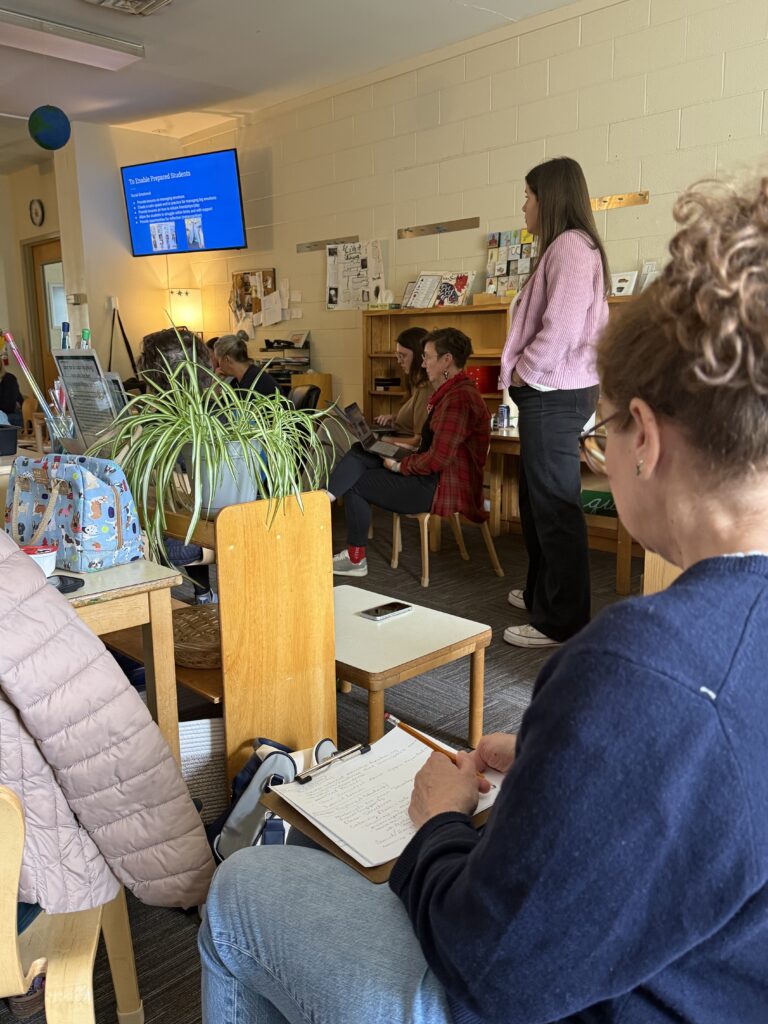
Recently, 10 members of our faculty traveled to Raleigh for the NCAIS Conference on Neurodiversity. Led by Sidney McGinnins, our director of student support, this trek to Raleigh is one more example of important professional development work in which our faculty are able to engage. Recently, Jessica White Winger, assistant head of school, shared about another professional development experience she led involving 14 of our sixth through eighth graders to Charlotte, N.C. for an adult- and student-professional development conference called “Words Matter." These professional development experiences are incredibly important to our faculty, and are thus equally important for our students.
Sidney and the team were very intentional about choosing this current NCAIS conference, as the science and work we do around neurodiversity aligns so well with our Montessori values.
While the term "neurodivergent" may feel like a buzzword, at its core it simply recognizes that brains develop and function in different ways — not better or worse, just different. As educators, our responsibility is not to “fix” children, but to understand them and respond in ways that help them thrive. Just like our mission statement says, we nurture and challenge the students to help them unleash their full potential ... their best selves.
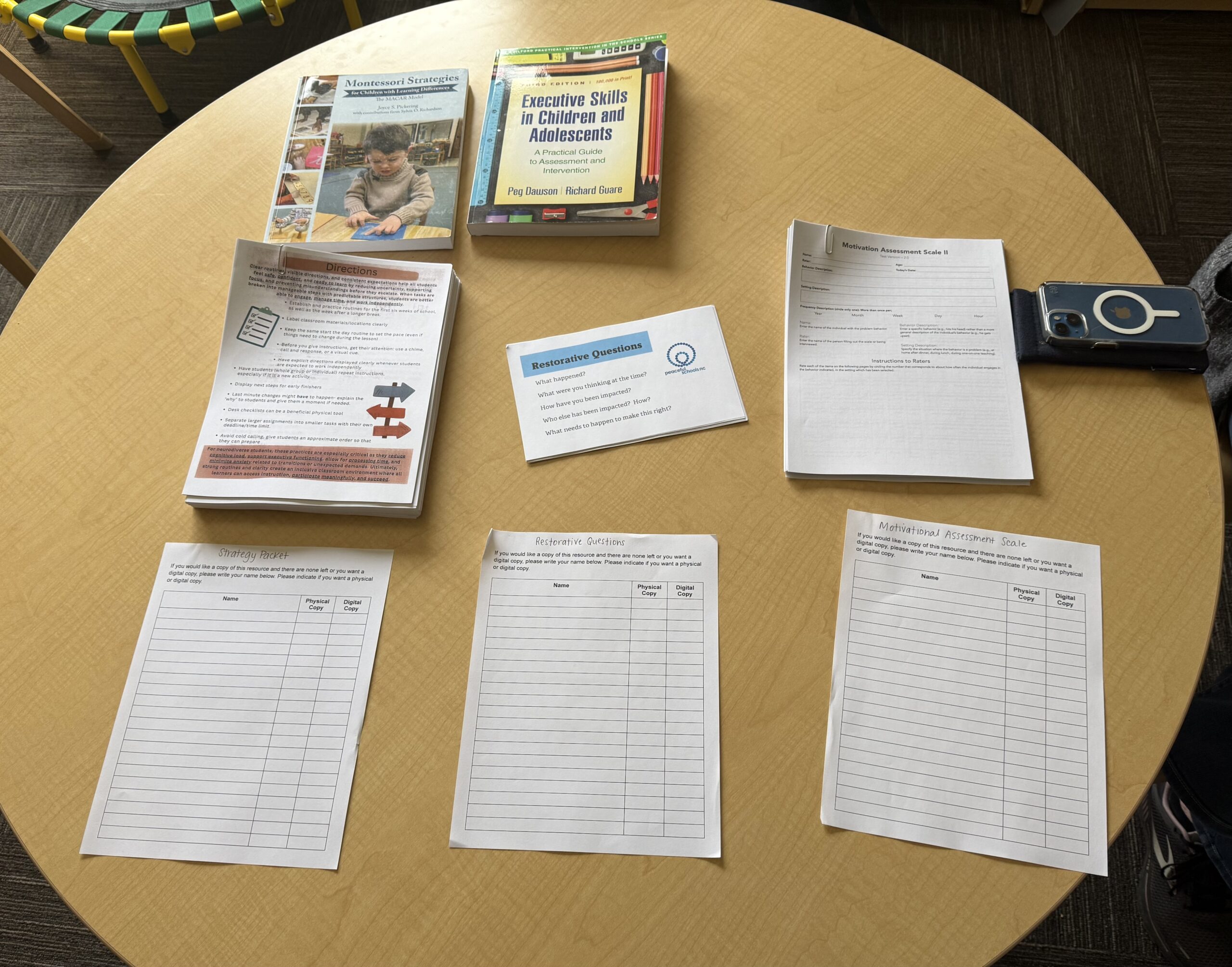
The conference offered both affirmation and new learning: validation of what we already do well, along with fresh ideas, strategies, and perspectives. After returning, the group reflected together and shared key takeaways with the full faculty, organizing their learning in three areas that align closely with Montessori practice:
The Prepared Adult
Our stance as educators matters deeply. Students read not only our words, but also our tone, energy, and expectations. Every behavior is a form of communication, and how we respond can either support or shut down a child. We aim to be grounded and consistent — more “backbone” than “brick wall” — holding clear expectations while remaining flexible and responsive.
The Prepared Environment
A well-prepared classroom supports all learners. Predictable routines help students feel safe and reduce anxiety. Clear visual cues (e.g., written directions, images, organized materials, etc.) help students make sense of their work and build independence. Thoughtful design, with minimal visual “noise,” allows for deeper focus and engagement.
The Prepared Student
Students benefit from tools and structures that support their learning. Differentiated lessons, task checklists, assistive technologies, and purposeful materials help students access the curriculum. Practical life and sensory work also play an important role in supporting regulation and engagement.
As Montessori educators, we are trained to meet each student where they are, whether a child is navigating a processing challenge, reading several grade levels ahead, or developing strategies to support focus and attention. To do this well, we must truly see and understand each child as an individual learner.
Since its inception nearly ten years ago, our Student Support Center (SSC) has helped lead this work. The SSC partners closely with faculty to better understand each student’s learning profile: their habits, tendencies, strengths, challenges, and the strategies that help them thrive.
It is essential for our faculty to understand how brains develop and function and to recognize that differences in how children’s brains develop are a natural and valuable part of the human experience. This perspective aligns deeply with Montessori philosophy, which calls us to honor each child’s individuality and prepare environments where all learners can thrive.
The SSC supports students and teachers through observation, assessment, targeted interventions, and ongoing collaboration. Whether working with a student who needs additional support or helping extend a student who is ready for more challenge, the goal is always the same: to ensure every child is seen, understood, and supported.
Our SSC team includes Sidney McGinnis (director), Joann Currie (early childhood specialist), Jeannie Stanford (reading specialist), and Melanie Yeager (counselor), who bring a range of expertise and a deep commitment to our students and faculty. Their partnership strengthens our classrooms and helps ensure that our work remains thoughtful, responsive, and grounded in what each child needs.
This work is ongoing and essential. As we continue to learn more about how children think, grow, and develop, we remain committed to refining our practice and strengthening our ability to serve every student well.
Bright and early on the morning of March 3, a group of fourteen sixth, seventh, and eighth graders boarded a bus along with Emily Daniels (Junior High faculty), Sidney McGinnis (director of student support) and Jessica White Winger (assistant head of school). They left the GMS parking lot right around 7 a.m. and headed to Charlotte, N.C. for a day of learning and connecting with educators and peers from independent schools across the state. Their destination was the North Carolina Association for Independent Schools’ (NCAIS) Words Matter Conference, held annually and intended to bring together middle and high school students and their educators to learn about and reflect on complex and nuanced topics impacting our students and schools. As this was our School’s first time participating in the conference, we were excited to attend and unsure about what to expect. When we arrived back to campus, we unanimously agreed that it was a day well spent, and a conference we would like to continue attending in the future.
The theme of this year's conference was "Joy and Courage through Community Storytelling" and its stated intention was to provide, “an engaging, interactive conference designed for faculty, staff, and middle and high school students to explore how language influences relationships, classroom dynamics, and society. This conference aim(ed) to support NCAIS schools as they work to be courageous and unified, and to consider the impact of words and stories in their communities.” This lines up beautifully with our work in our own School community to build resilient, inclusive, receptive, intentional communities across classrooms and divisions.
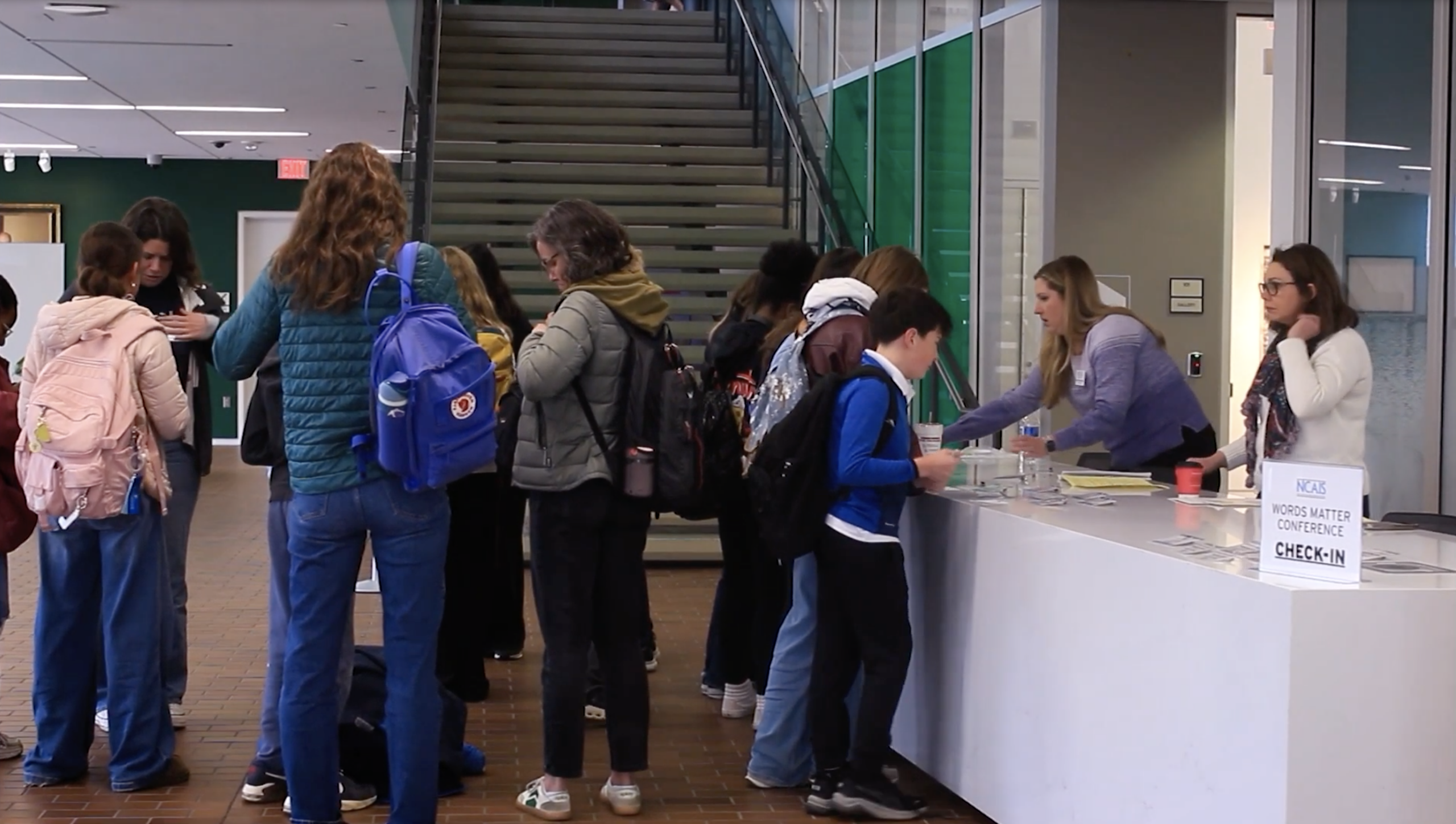
The conference afforded space for some of our eldest students to spend a day reflecting on their role in that work and the opportunities they have to take ownership of their responsibility and influence in our School. It was also an opportunity for students to exercise some autonomy, as there were different “tracks” for conference sessions throughout the day for middle school students, high school students, and educators, and our students navigated together from one session to the next with confidence and care.
A couple weeks after attending the conference, the group who attended had lunch together to complete a feedback survey for NCAIS, share what was impactful for them, and share the most important ideas, strategies, and tools they brought back to GMS. The group especially appreciated a session on bullying by Peaceful Schools NC, where they discussed the differences between teasing, joking, and bullying, and that “middle school is a great time to develop the skill of being bold in the face of injustice,” even when "injustice in a friend group or within a class or school can be one of the most challenging places to step into bold action.” Our students found the presenters for this session engaging and intriguing, and appreciated learning how they can have a positive role in the system of bullying.
At the end of our day together in Charlotte, the conference organizers shared a video of students speaking throughout the day about what they were learning and why it felt important. We were excited to see our group featured at the start of the video, and our own Lucy (sixth grader) speaking toward the end of the video.
The NCAIS Words Matter conference provided a special opportunity for our students and educators to discuss and learn about important issues with peers from across the state. Our group came away with new ideas and fresh perspectives on important issues facing our community. Current sixth graders had the opportunity to spend time with some of their future classmates and a teacher in Junior High, and our group had the singular opportunity to learn in community with peers from schools across the state of North Carolina. Emily, Sidney, and Jessica reflected our pride to our students for how they showed up ready to thoughtfully and bravely engage with unfamiliar adults and peers and how they represented our School so well. As we walked out of the conference center together, the NCAIS conference organizers made a point to share how impressed they were with our group, which was a wonderful way to end our day together.
You may have noticed an unusual orange fruit popping up everywhere on campus. You may even have asked, "what is that?"
Originally from Asia, and morphologically considered a berry, the persimmon is a lovely fruit that matures to a deep orange color in late Autumn. If you’ve ever visited Greensboro Montessori School's Primary Garden, you’ve probably noticed our beloved persimmon tree, planted over 20 years ago by master permaculturalist, Charlie Headington. In the years since, this tree has been lovingly pruned and harvested by our favorite garden coordinator, car line greeter, facilities assistant, and student support pal, Aubrey Cupit.
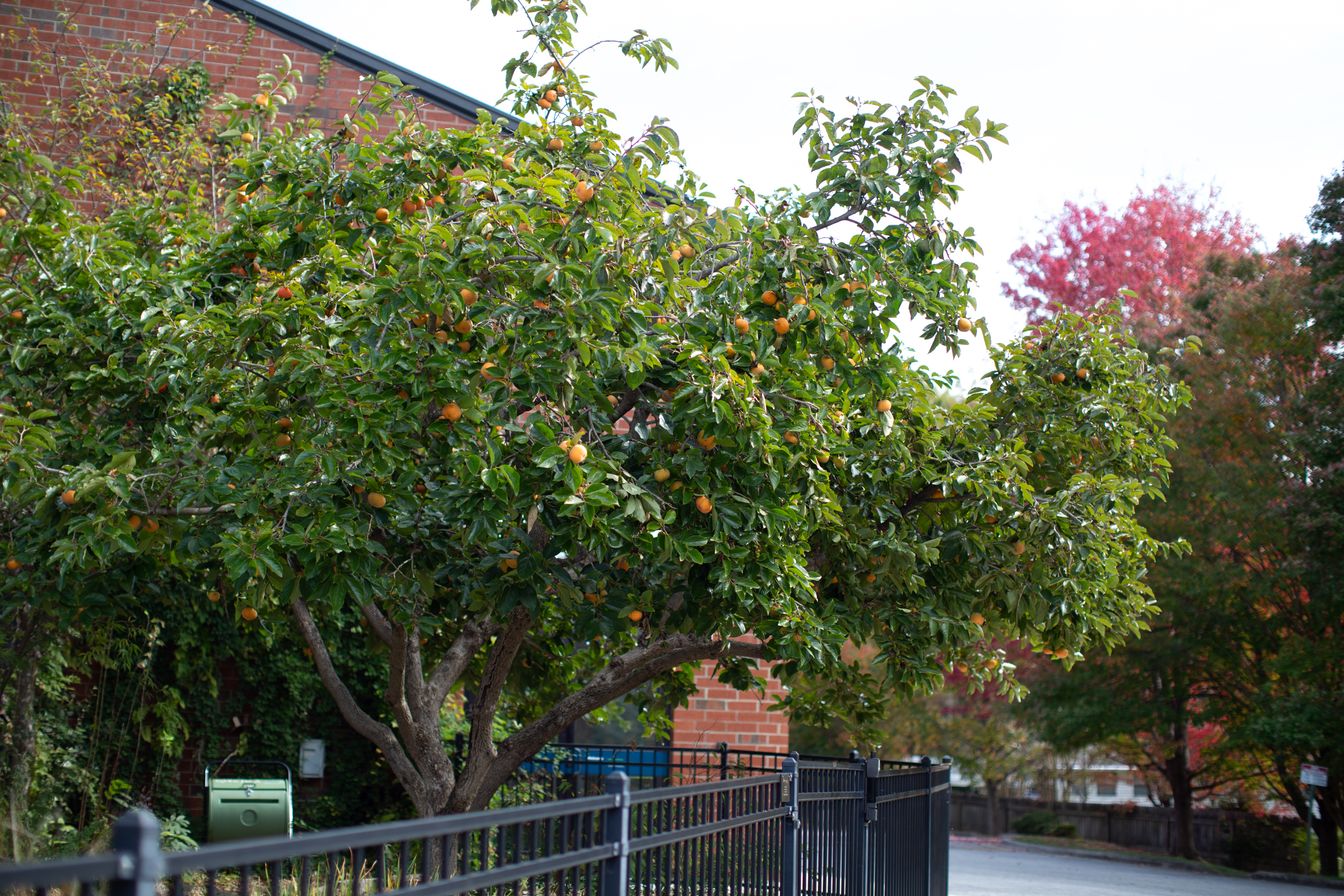
Generations of GMS students share a collective nostalgia for the flavor of the persimmon. To them, it seems a rare, exotic fruit with notes of magic and pure joy only attainable from our grounds. Students begin asking for persimmon snacks in our Environmental Education classes on the very first day of school, and then every subsequent day until we cut into the first ripe persimmon in October. It would be difficult to adequately describe the infectious wave of excitement when our students find out we are having persimmons for snack.
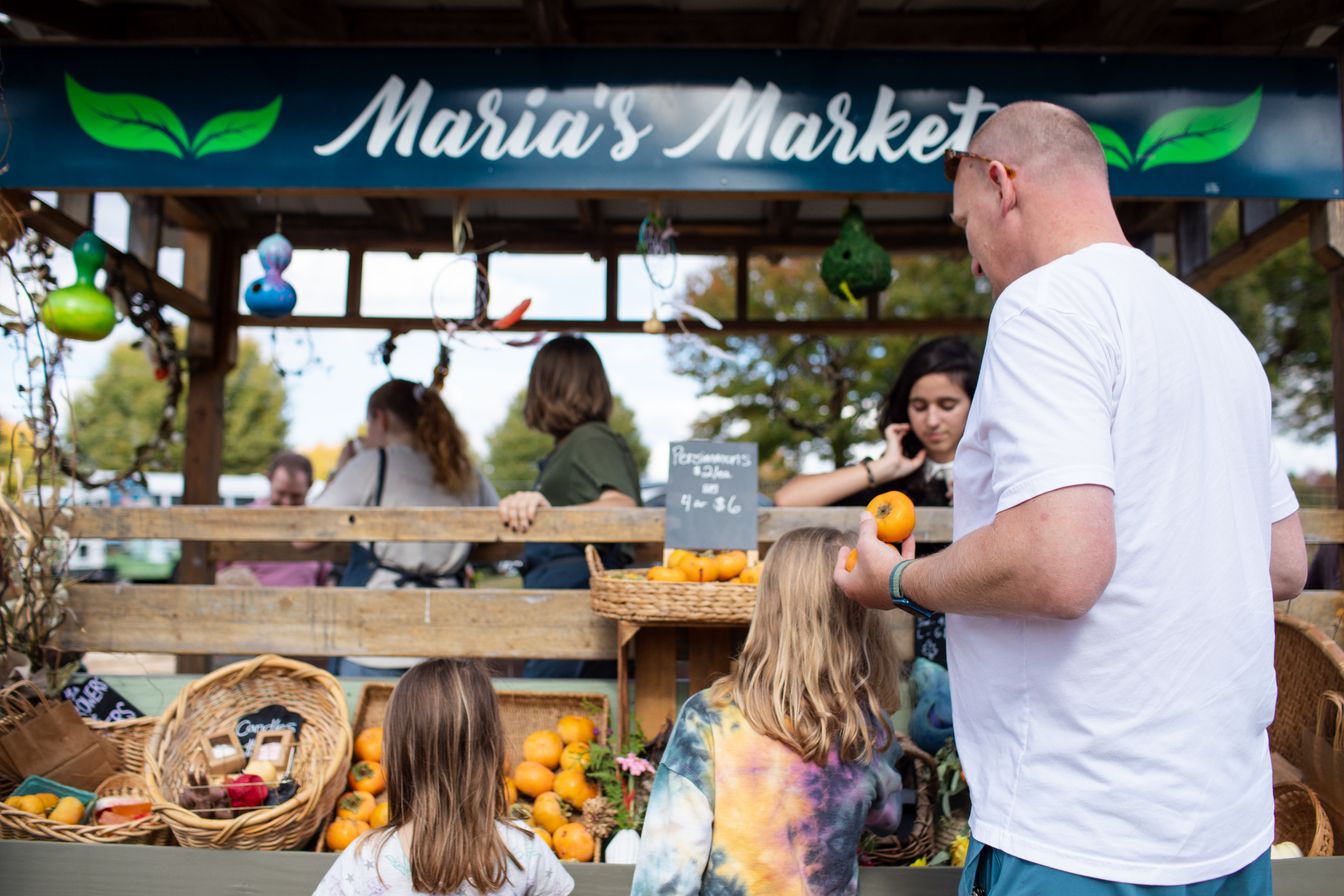
A firm persimmon tastes like a combination of honey, peach, and mango, with earthy undertones and the texture of an apple. For those unfamiliar with this fruit, I would recommend eating it raw, just like an apple, skin and all. Others prefer to bake softer persimmon pulp into pancakes, bread, or cookies. Persimmons work well in savory applications such as persimmon vinaigrette and other meat-based dishes akin to pork and apples. Dehydrated persimmon pulp creates a delicious fruit leather, while dehydrated persimmon slices make an excellent snack.
Each of the five persimmon trees on campus have produced bountiful fruit this season! Our students have reveled in their tastings during Environmental Education lessons and our Junior High Culinary Arts team has been baking with them voraciously! Word on the street is there's a tasty recipe for persimmon scones going around.
Additional Resources
- NPR: Ancient Japanese Food Craft Brings Persimmons To American Palates
- Martha Stewart: 13 Persimmon Recipes Everyone Should Make This Fall
- Wikipedia: Persimmon
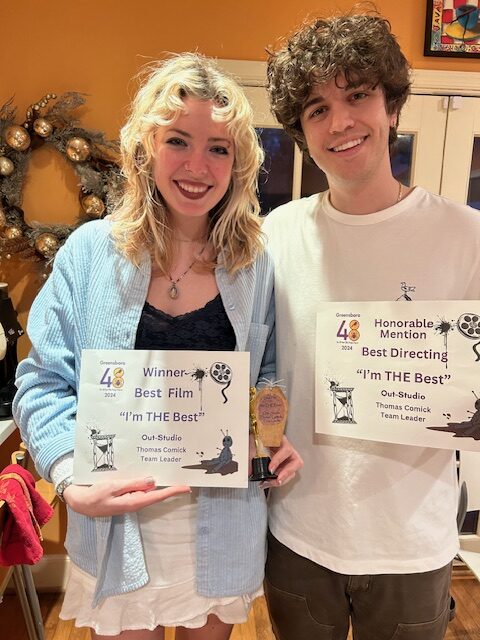
Thomas Comick '19 is a sophomore pursuing a Bachelor of Fine Arts in filmmaking at the University of North Carolina School of the Arts. "I'm The Best," a short film directed by Thomas and Amelia Waldeck, recently won Best Overall Film at Greensboro's 48-Hour Film Festival. They were also awarded Best Actress, Best SFX, and Best Creature, and an Honorable Mention for Best Directing. Thomas and Amelia will travel to Seattle this month to screen their film at Filmapalooza, the international film festival and filmmaking conference of the 48 Hour Film Project. If they win in Seattle, "I'm The Best" will be showcased in the "Short Film Corner" at the 78th Cannes Film Festival in May.
Thomas graciously agreed to chatting with us following his success at the 48-hour film festival. In preparation for our time with him, we visited his professional website to learn more about his work and passion. This paragraph stood out to us:
"My goal is to use my talents to create meaningful and thought-provoking work that can educate and enlighten audiences, ultimately leading to a better understanding and acceptance of our shared humanity and culture. I want to make works that can grow and I believe that cinema, in particular, has the ability to touch people on a personal level and evoke empathy and understanding. Through my work, I aim to create a space for dialogue and reflection, encouraging people to question their own beliefs and see the world from a different point of view. I hope to create work that is marking to the audience, and leaves them thinking and dissecting what they have seen."
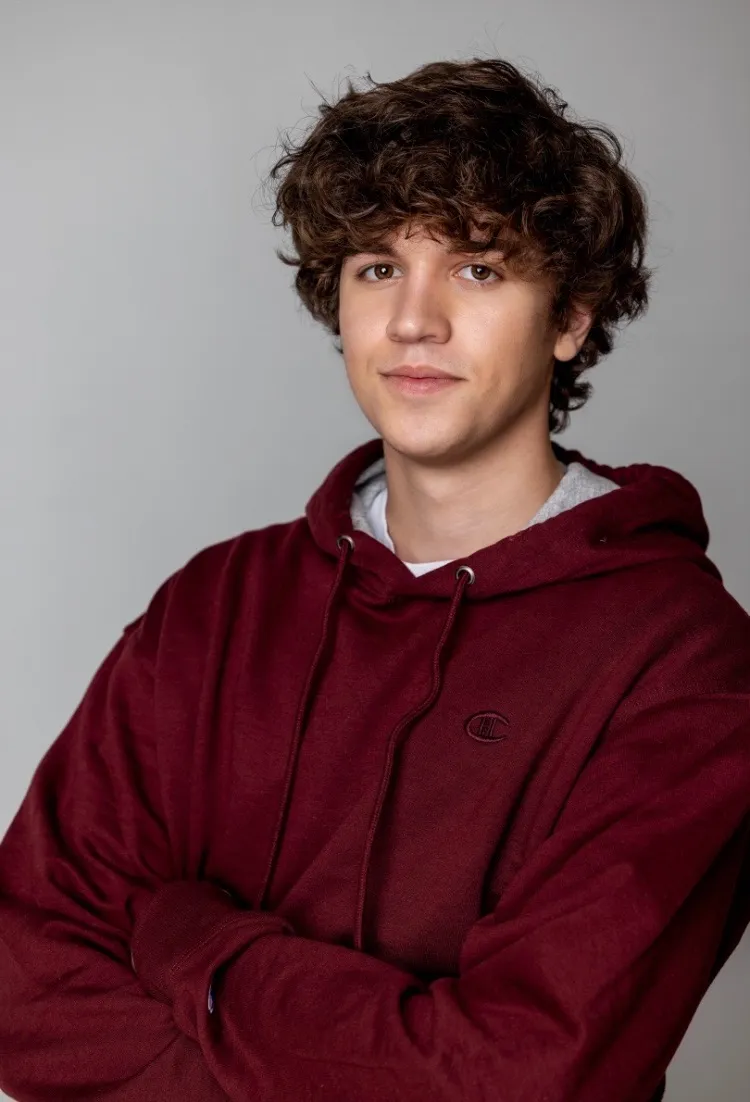
Thomas, who began his Montessori education as a Toddler, met with us for 30 minutes via FaceTime on Monday, February 10, 2025, the morning after Superbowl LIX. Here's our interview, which has been edited for length and clarity.
GMS: Congratulations on your success at the 48 Hour Film Horror Project, and thanks for taking time to catch up with us. Before we get started as a filmmaker, were there any Superbowl ads you liked last night?
TC: I liked the Nike ad. It stood out to me. Nike always does something interesting with their ads because they have so much money and resources to make something really crazy. I liked that it was black and white and featured a lot of different female athletes. I thought it was really cool that they did that. I really liked the “When Harry Met Sally” one. We had just watched the movie the night before, so it was funny to see that.
GMS: Your "About Me" page is amazing. Are the references to Costa Rica and film camp your eighth grade trip to Costa Rica and summer camp at GMS, respectively?
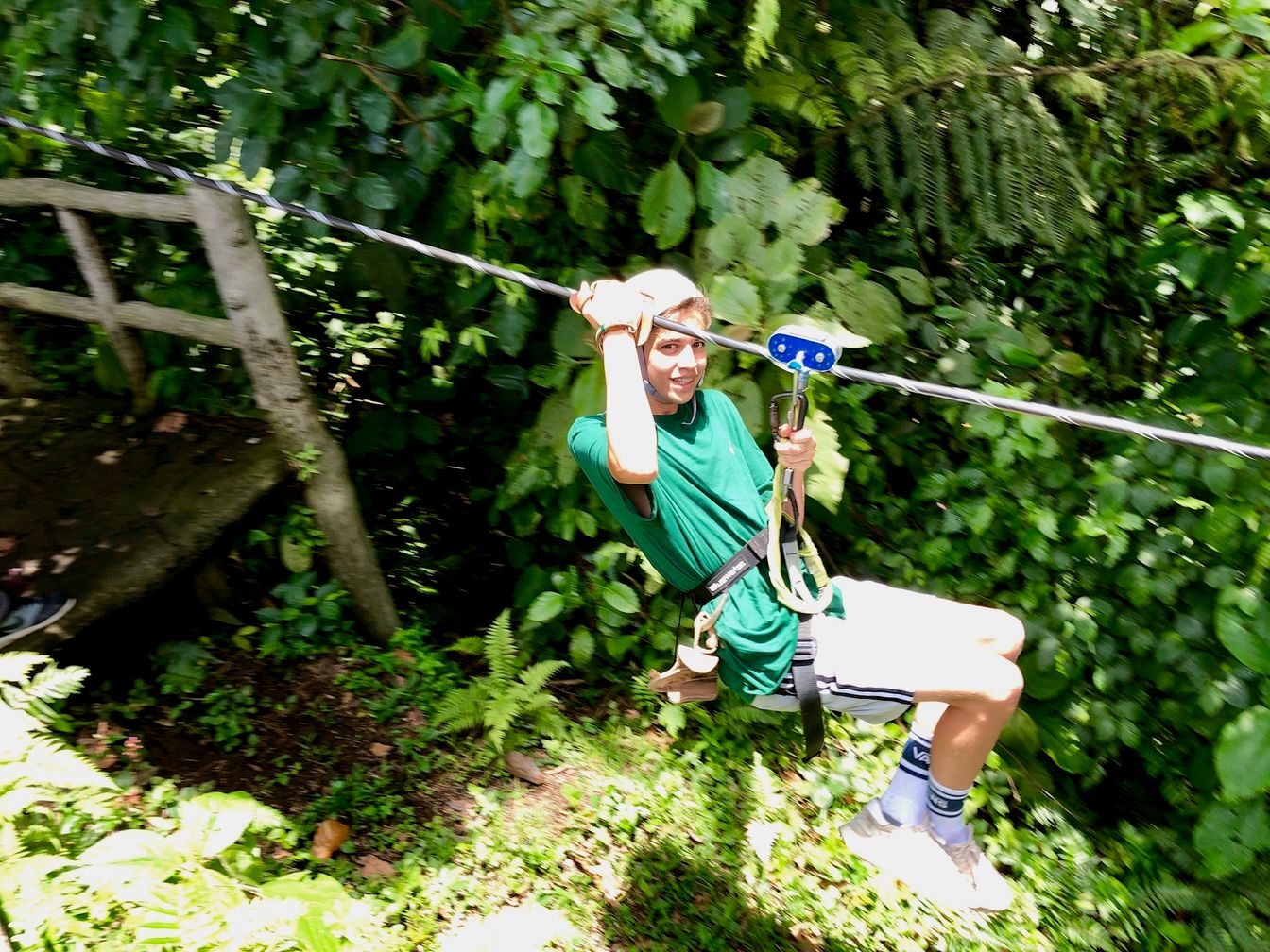
TC: Yes they are those GMS experiences. And thank you so much. I worked hard on that page.
GMS: It’s written beautifully, and your hard work shows. How did the film camp with then faculty member, Jonathan McLean, prepare you for your work today?
TC: The film camps I did over the summer really taught me everything film related. Each summer we wrote the film, shot it, edited it, and premiered it within a month. It was jam-packed. It was stressful but really, really fun. It was a huge learning experience that has stayed with me.
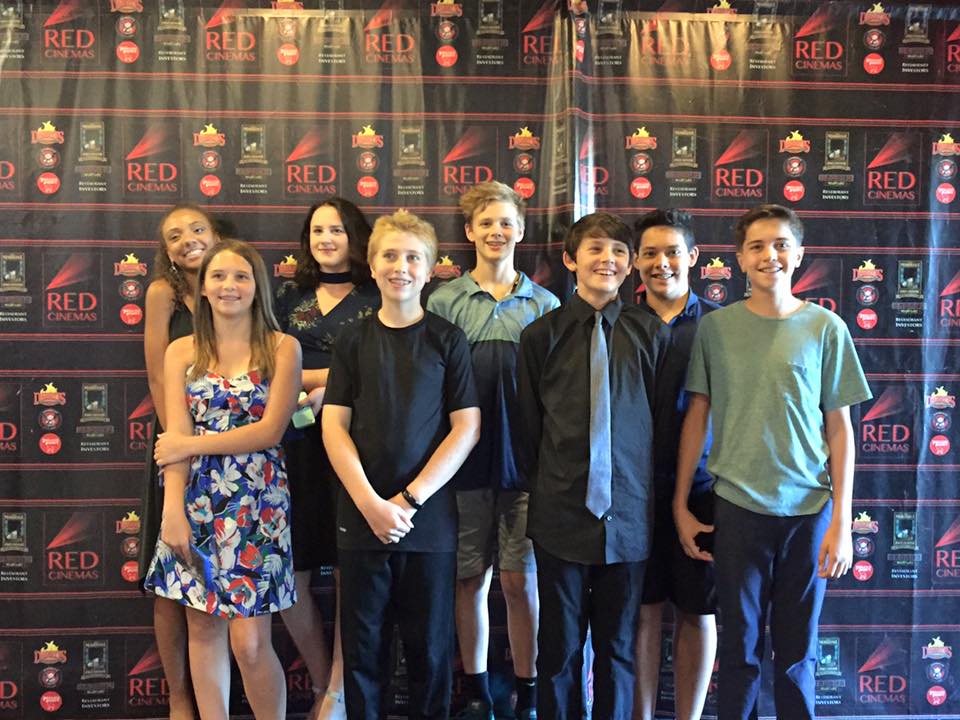
GMS: In addition to what you learned during film camp at GMS, what other elements of your Montessori education help you in your filmmaking?
TC: Working well with others, because it’s all about community and doing things for other people. There are so many events when you’re all together. The social aspect teaches you to interact with other people. In the classroom, the peace table helps you learn how to talk to people face to face when a problem arises. If you’re on set and something goes wrong, it’s good to talk to someone, address it, and move forward, instead of brushing it under the rug or holding resentment.
GMS: Who were your favorite GMS teachers?
TC: Cathy Moses, Doug Williams, Jonathan McLean, Cynthia Kiddy, and Isabelle Bangham. John Archambault, too. He’s a good teacher.
GMS: What were some of your favorite GMS traditions?
TC: I loved going on field trips every year. It kinda sucks when you go to high school and college and it’s done. I don’t know if they still do this, but on Friday’s we did careers. I loved that. It was great.
GMS: Yes, the Junior High students still enjoy participating in various careers each Friday as part of their microeconomy work. What did you like in particular about your microeconomy careers?
TC: I really loved being able to try out different jobs, like finance. My favorite thing was being in the kitchen. I loved cooking. Matt was the the Culinary Arts teachers when I was in seventh grade. He was a really good teacher, and he taught me a lot about cooking. I still cook a lot to this day.
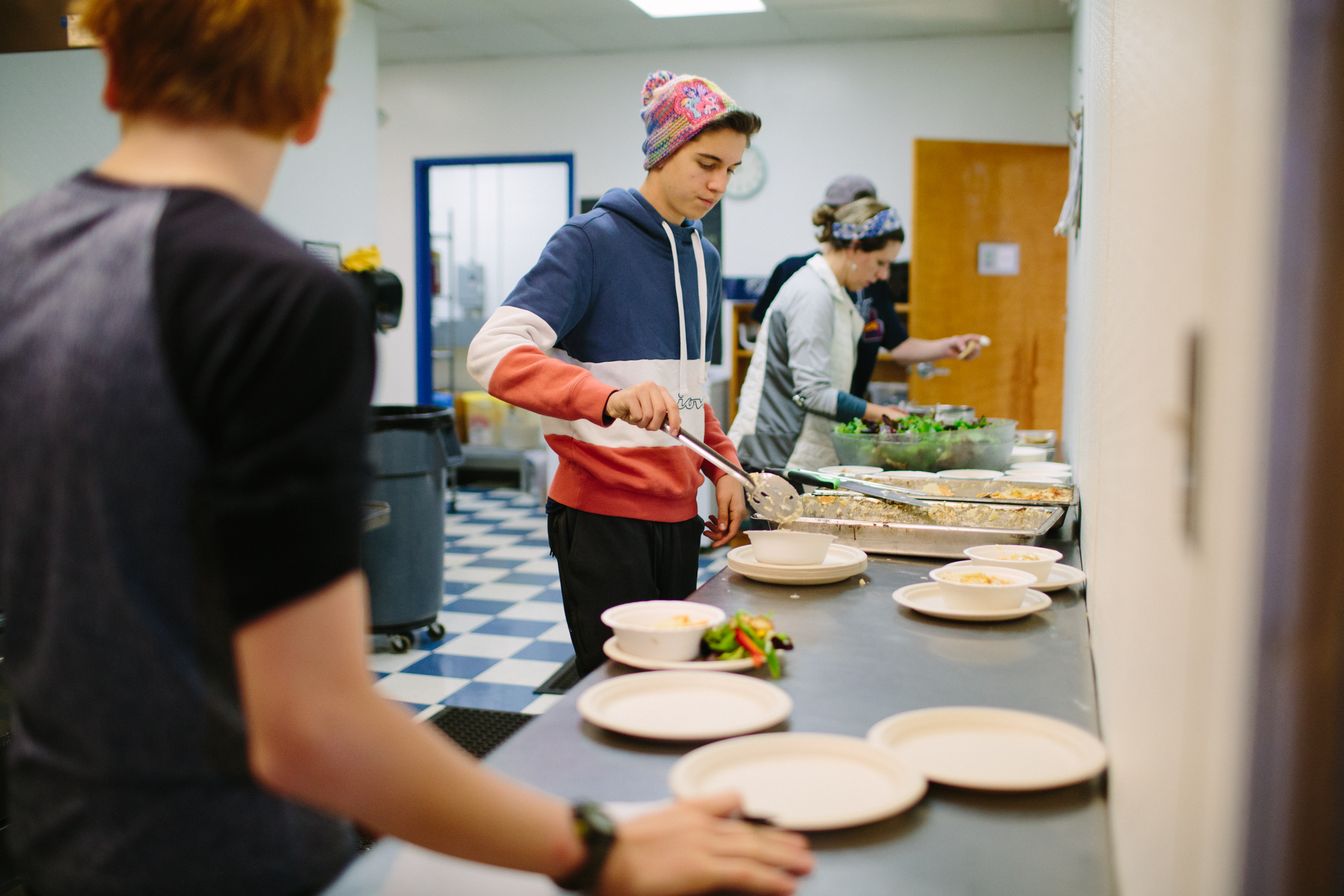
GMS: The Culinary Arts team is still learning and cooking. They have recently begun preparing food for school events and trying new events, like a morning drive-thru selling coffee and baked goods during drop-off. What advice to you have to the Culinary Arts team and all our current students?
TC: Try to engage in as much as possible and follow your interests. Learn as much as you can while you’re there and the people are really nurturing. Even if you’re not great at something, people will still encourage you and make you feel good about it. For instance, if you’re interested in sports, just play. There are no tryouts or anything. They know students are playing different sports for the first time, and the adults work with you. They give you time to play. It is not a toxic environment where people make fun of you if you're bad. It's really the opposite.
GMS: What's a fun fact about you unrelated to GMS?
TC: I speak French. I also flew a plane once. I was with a friend from GMS and we were doing a video for class in middle school. His grandfather had this little plane. We were shooting some stuff, and then we went up in the plane. He let me fly it for a second.
GMS: It seems like film has always led to new experiences for you. What are other experiences filmmaking has given you that you would not have had otherwise?
TC: Being able to act with Zooey Deschanel over the summer. I started doing acting class after having done film camp. I wasn’t happy with how I was acting. Through acting class I ended up getting an agent, so I have been able to audition for a bunch of stuff. I still audition for stuff to this day.
GMS: That's so cool. Most of us probably know Ms. Deschanel from her role as Jovie in "Elf" or Jess Day in "New Girl." Acting with her is an accomplishment, no doubt. What are some other accomplishments you've had since graduating from GMS?
TC: Amelia and I participated in another 48-hour film festival movie last summer and won the audience award. That one was really fun.
I also took an experiential films class and a directing class in the same semester. I was doing a video every week for one of those classes. I did this "Dream Scene" short film for my first directing class, and it ended up winning UNCSA's Ambrosia Film Festival. For a month following the festival, my "Dream Scene" was screened before every showing of the feature film "Problemista" at a/perture cinema in Winston-Salem.
I am also proud of getting all As in high school, which was a goal I set from the beginning. Making all A's, especially as an International Baccalaureate (IB) student, was really hard and a huge achievement. I was also very proud of making the varsity soccer team.
GMS: It's clear your work ethic took you far at Grimsley, where you went to high school, and continues to propel you to success at UNCSA. What does future success look like for you? Where do you see yourself in five to 10 years?
TC: I hope to be living in Los Angeles or New York and directing and writing. I ten years, I hope to have one big, feature film that will have gone to a major festival and help me get established. I hope to have a career – where I can actually be making making money doing it – allowing me to work full-time on just film stuff.
GMS: Thank you so much, Thomas. Good luck in Seattle, and please stay in touch!
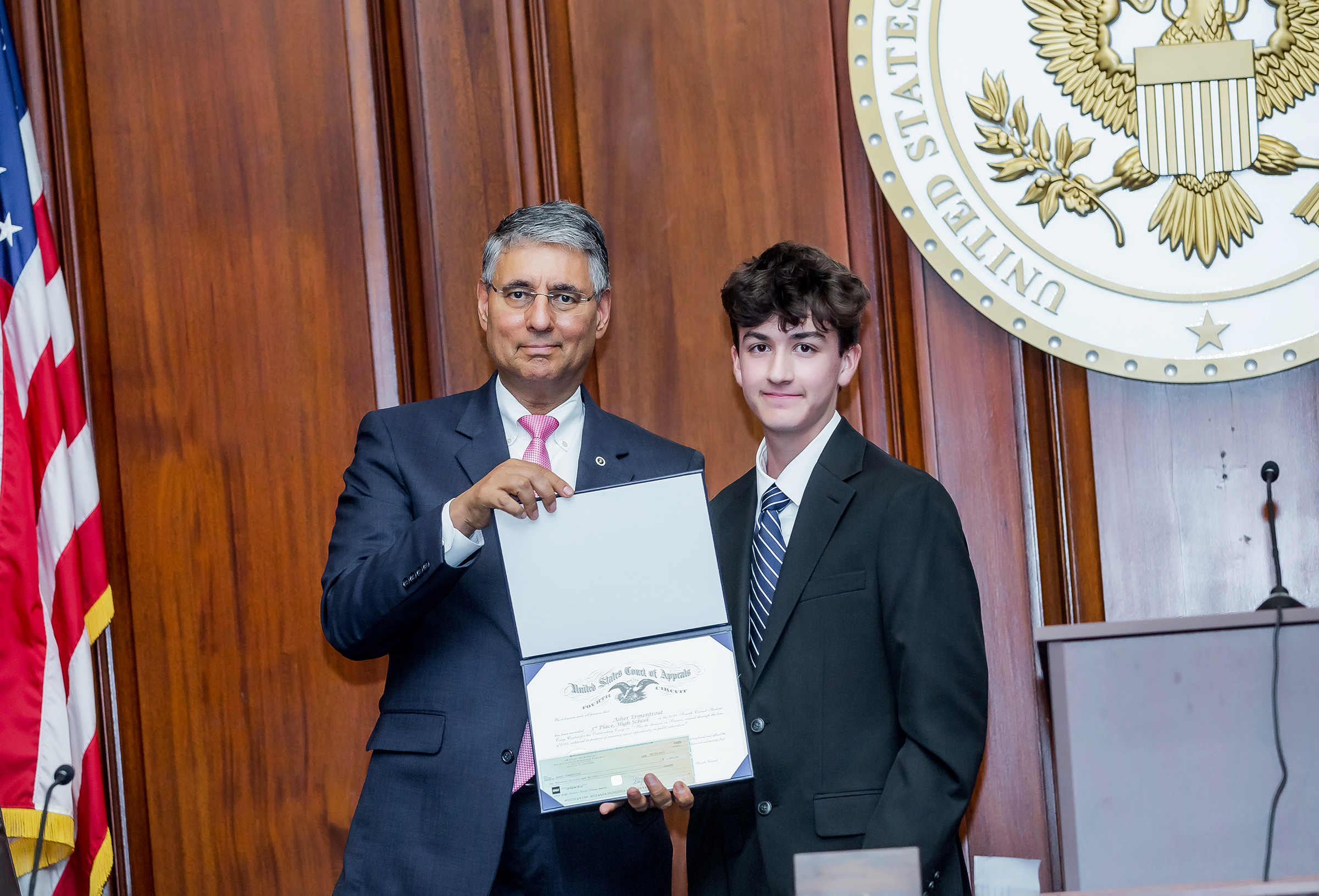
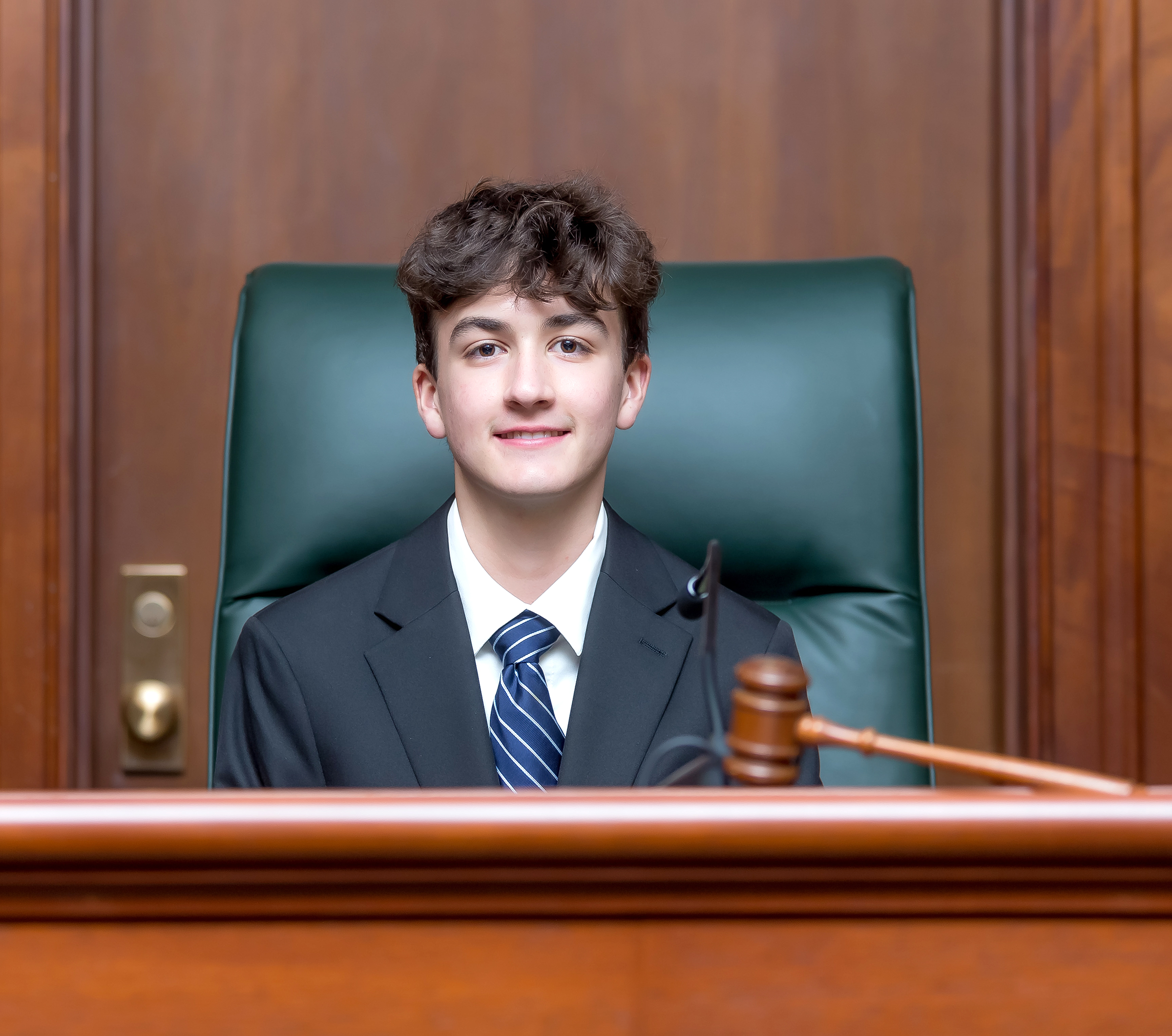
When Asher Ermentrout learned about the 2024 Essay Contest for the Fourth Circuit of the U.S. Court of Appeals, he jumped on the opportunity to learn more about a famous U.S. Supreme Court decision and flex his writing skills. As a freshman competing against high schoolers of all ages from five states, he was undeterred.
This year's contest was based on Brown v. Board of Education, 347 U.S. 483 (1954), in which the Supreme Court ruled that racial segregation in public schools violates the United States Constitution. Students were invited to consider and share their thoughts on the question: "Has the decision in Brown, viewed through the lens of 2024, achieved its purpose of ensuring equal opportunity in public education?"
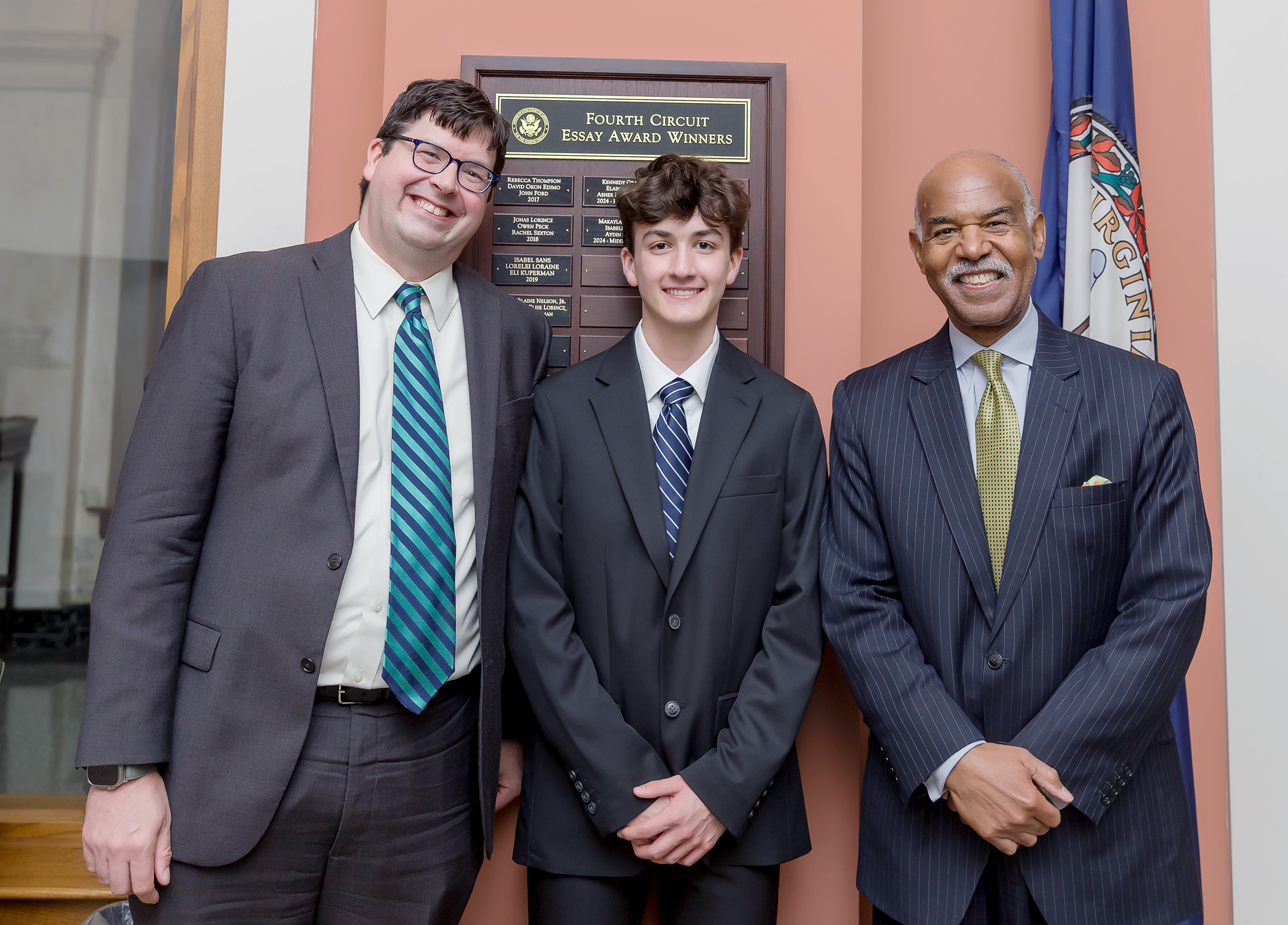
In August, the Fourth Circuit announced the winners of the contest, and Asher came in third place. In addition to the honor itself, Asher won $1,000 and an invitation to the awards ceremony, which was part of the Constitution Day program at the Lewis F. Powell, Jr. U.S. Courthouse in Richmond, Virginia in September.
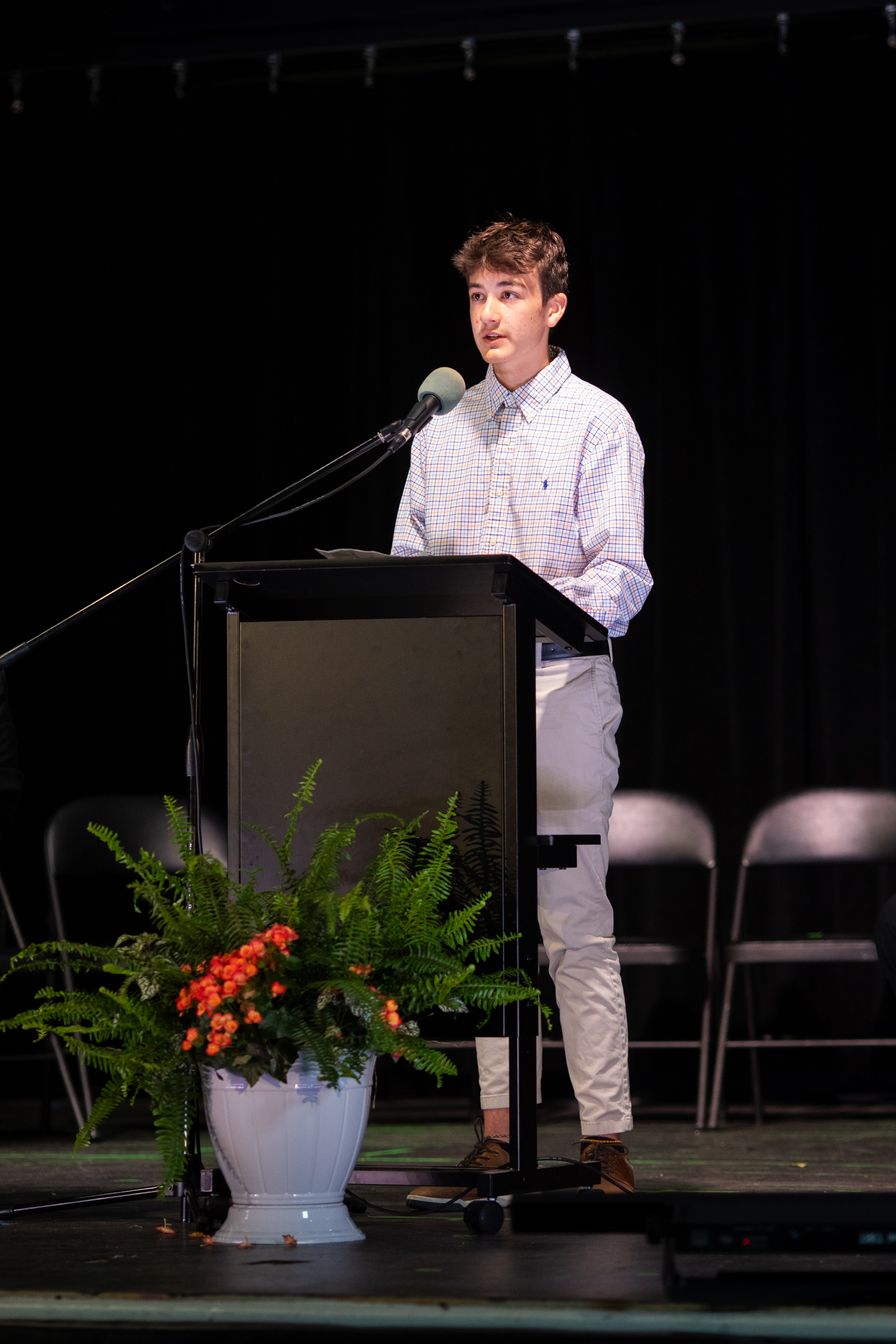
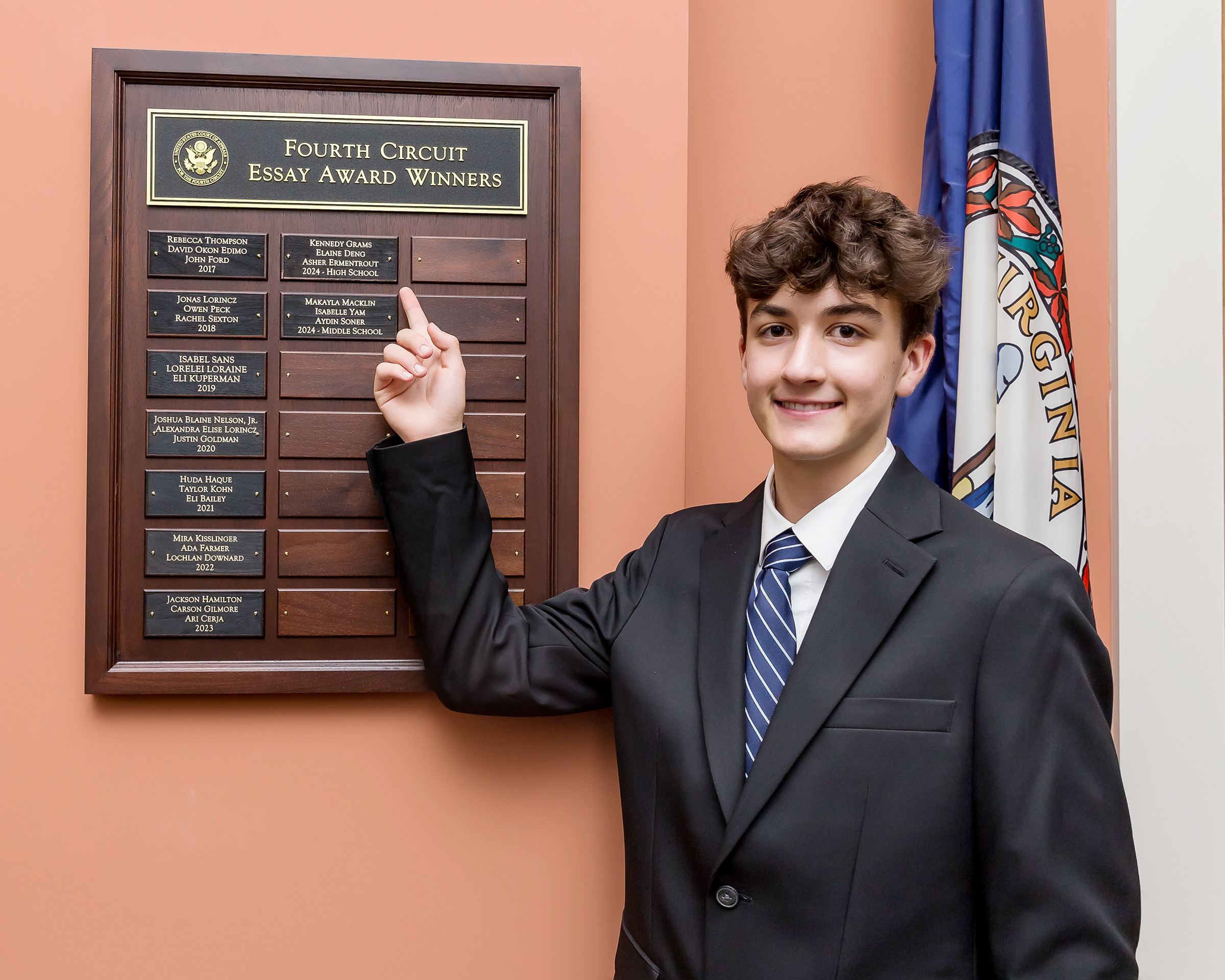
We wanted to congratulate Asher on his award, learn more about his process, and find out what he's up to this year. Here's our interview.
GMS: Asher, congratulations! We love seeing your name on that plaque. How did you learn about the contest and what made you decide to participate?
AE: I learned about the contest through my dad, who is on an email list for the Fourth Circuit Court of Appeals. I chose to participate because I thought it would be fun to learn more about Brown v. Board and spend some of my extra time at school being productive.
GMS: What about the essay prompt, “Has the decision in Brown, viewed through the lens of 2024, achieved its purpose of ensuring equal opportunity in public education?” interested you?
AE: I was interested in researching public education and understanding how cases like Brown can have such significant impacts on society. The prompt provided leeway to explore different aspects of the case’s impact, of which there are many.
GMS: You have experience as a student in both conventional public education and independent Montessori education. How did your Montessori education prepare you to form and share your opinion in your essay?
AE: My Montessori education helped me to think about the prompt from various points of view, incorporating different ideas to form one cohesive piece.
GMS: You wrote your essay as a freshman. (And we have to point out that the first and second place winners were Juniors at the time of writing ... way to go, Asher!) Can you tell us more about your freshman year. Looking back at the year, how did your time at GMS prepare you to succeed in high school?
AE: My time at GMS helped prepare me to succeed in high school by giving me ample opportunities to learn and grow with a supportive community. Additionally, GMS helped me to develop my writing and researching skills that I used to write my essay.
GMS: You're now a sophomore. What classes are you taking, and do you have any goals for the year?
AE: I’m taking Honors English 2, Honors Chemistry, Honors Economics, Honors Spanish 4, AP Precalculus, and AP European History. My goals for sophomore year are to further develop my writing skills and to work more on Spanish.
GMS: Thanks for taking time to chat with us today. We certainly miss seeing you on campus. What is it you miss most about GMS?
DW: The thing I miss most about GMS is the community. The teachers, parents, and students are always there for each other, and it makes for a great environment to learn.
Dr. Maria Montessori was a big fan of field trips. In her words, it was important for students to take “outings” or to “go out.” In 1948, Dr. Montessori wrote: “The outing whose aim is neither purely that of personal hygiene nor that of a practical order, but which makes an experience live, will make the child conscious of realities … When the child goes out, it is the world itself that offers itself to him. Let us take the child out to show him real things instead of making objects which represent ideas and closing them up in cupboards.” Hence, the Montessori phrase of “going out” was born.
At Greensboro Montessori School, we take the Montessori tradition of “going out” to heart, as our students take academically aligned, overnight field trips beginning in Lower Elementary. Where lessons in the classroom are a springboard to learning, Montessori outings provide the experiences necessary to move concepts from the abstract to the concrete – to let students apply and expand their knowledge in the world around them.
As our students progress from Toddler to Junior High, they learn the rites of passage, including the field trips, which will greet them along the way. Read about all our adventures, or jump to the division that interests you most.
Lower Elementary
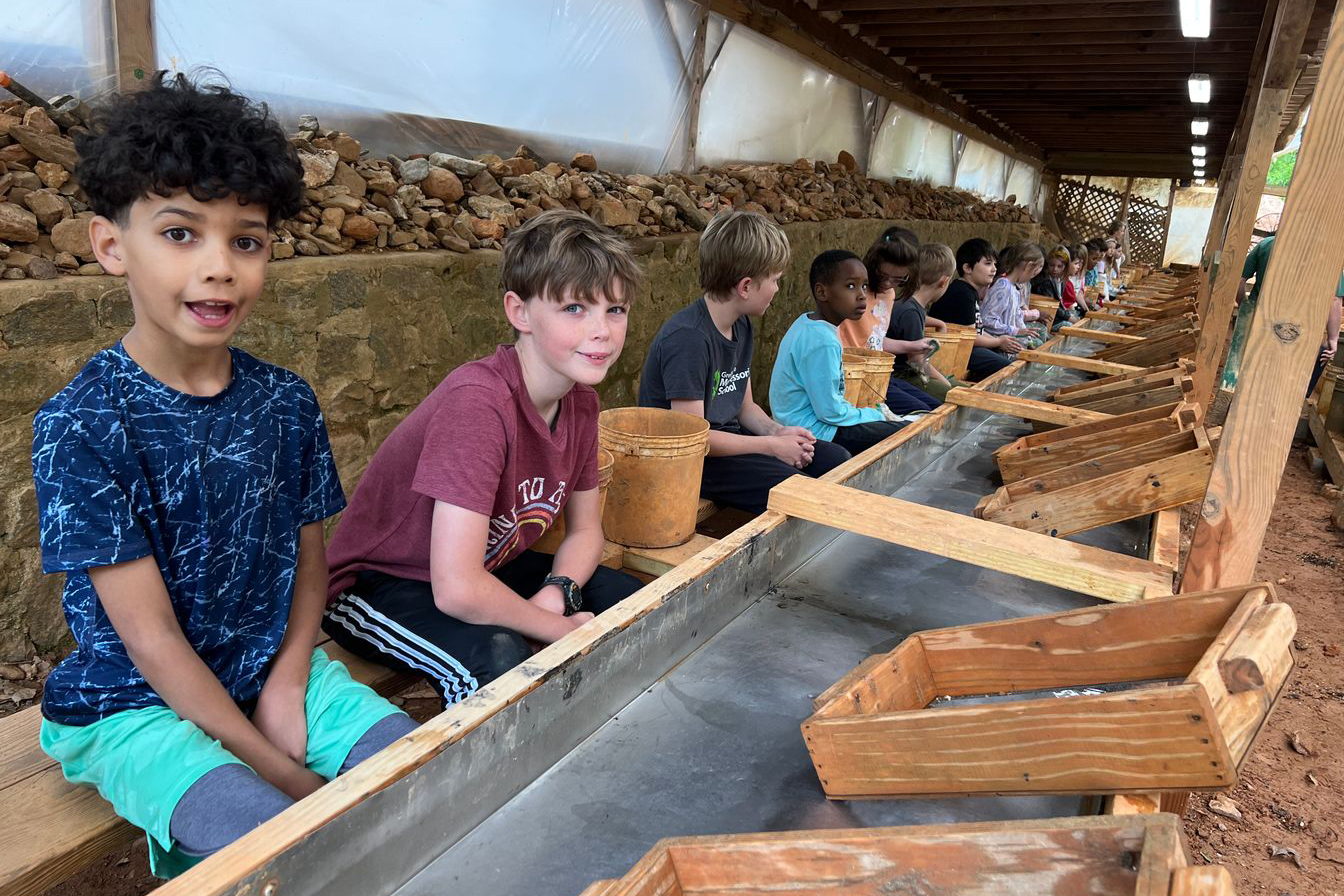
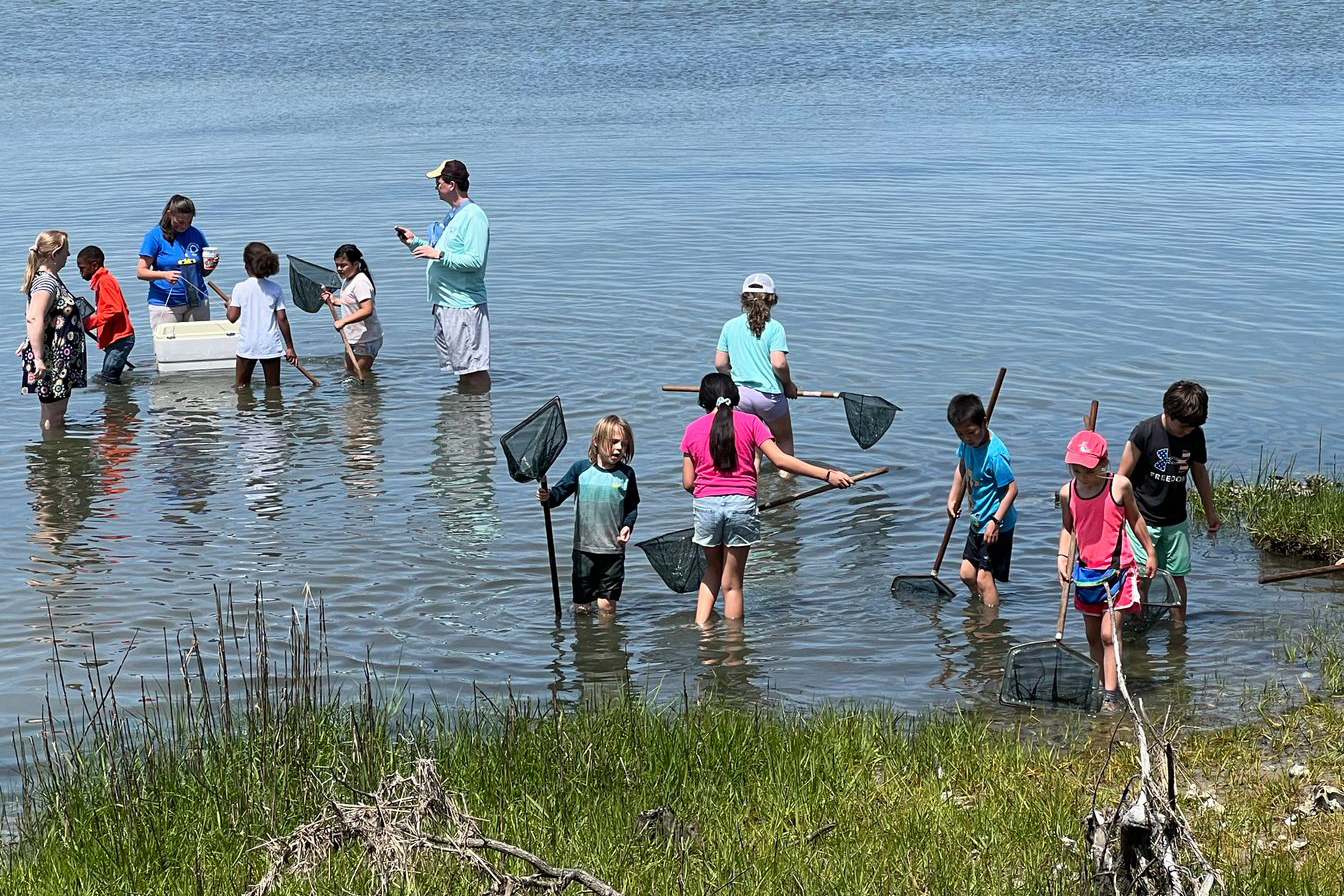
Lower Elementary students enjoy their first overnight field trip in second grade, when they join the third graders for an annual trip to North Carolina’s Crystal Coast. They spend two days and three nights at the Sound to Sea program building upon their lessons in biology, botany, environmental studies, geography, history, and physical science.
While the second and third graders are at Sound to Sea, first graders enjoy three consecutive day trips to local points of interest. Past destinations include the Greensboro Science Center, the Museum of Life + Science, Emerald Hollow Mine, and the Greensboro History Museum.
Upper Elementary
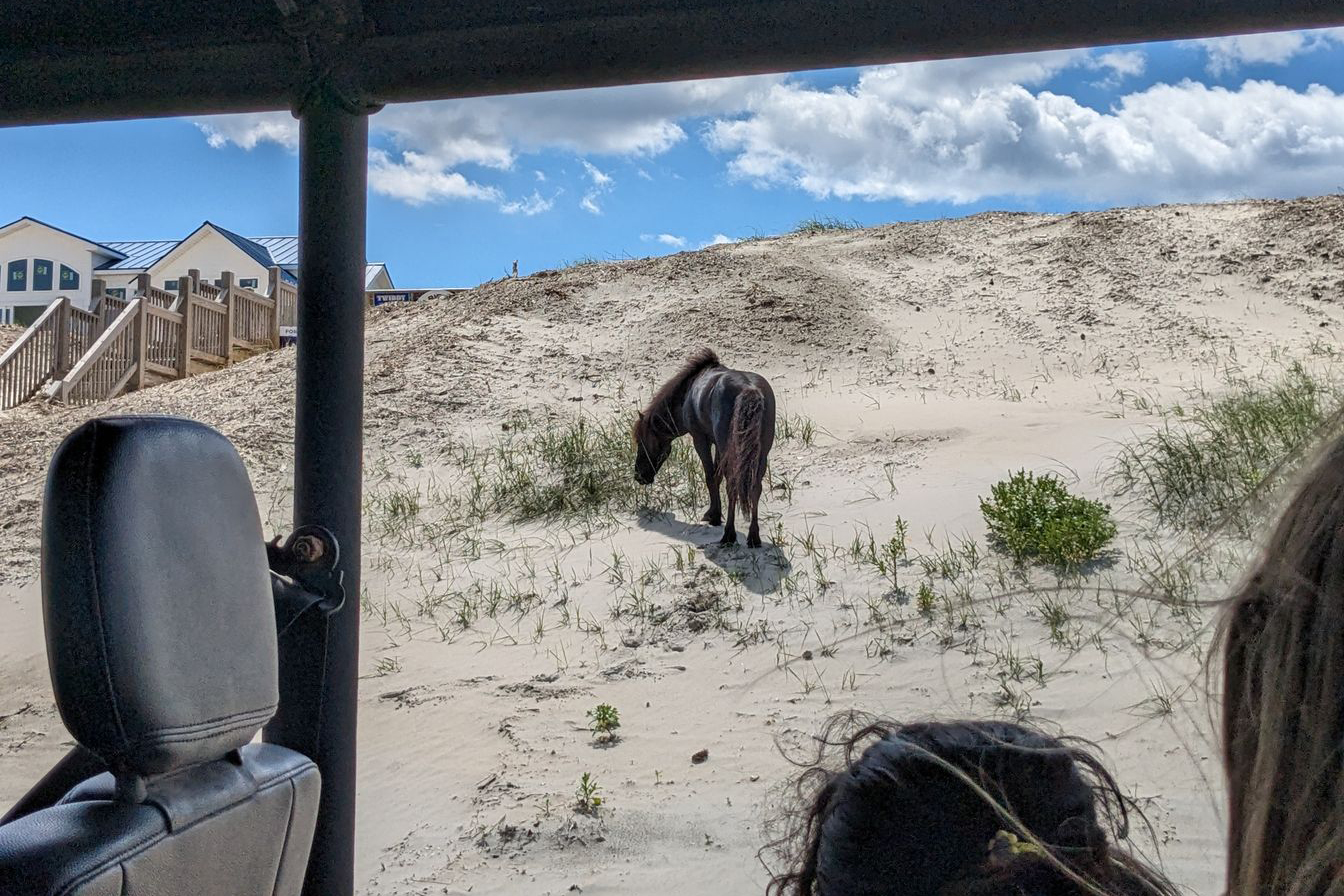
North Carolina's Outer Banks: Fourth graders travel to North Carolina’s Outer Banks where they experience the region’s rich marine biology and storied history. Students visit national landmarks like Roanoke Island, the first settlement of English colonists, and the Wright Brothers National Memorial in Kitty Hawk. In the words of the National Parks Service, Kitty Hawk is the site where Wilbur and Orville Wright “experimented with flight in the early 1900s, and finally succeed[ed] on a cold winter day with the world's first controlled, sustained, powered, heavier-than-air flight.”
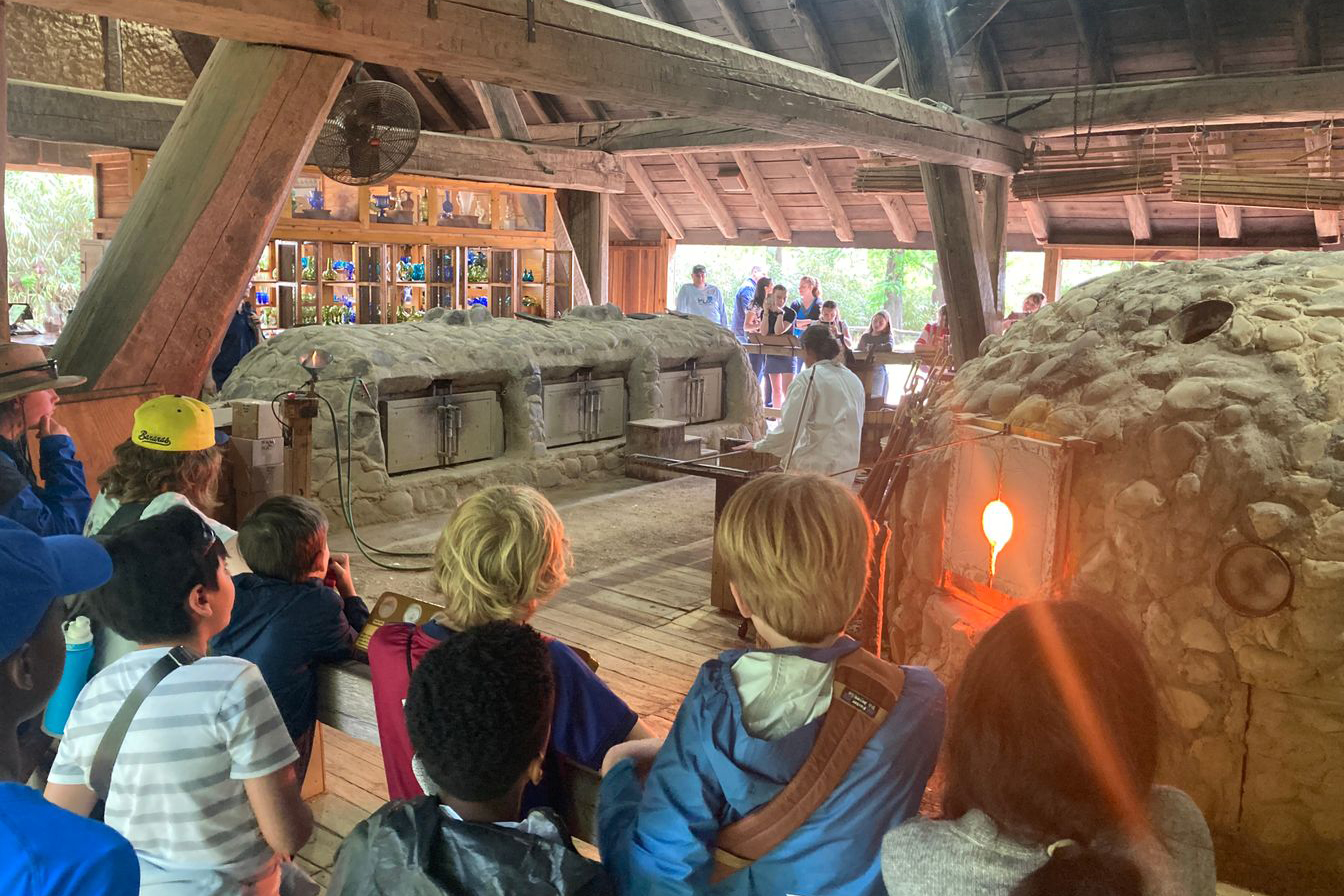
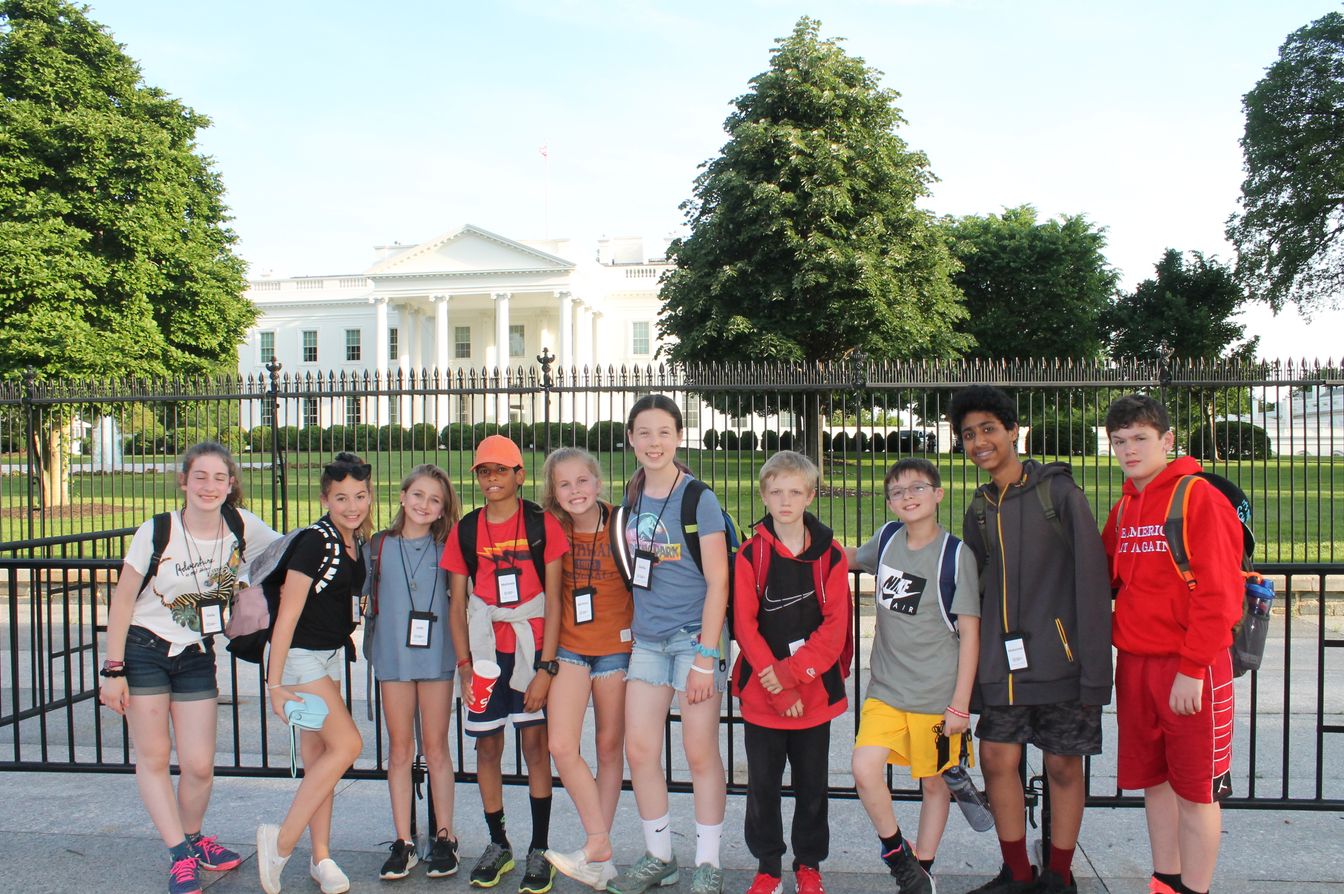
Fifth and sixth graders rotate between annual field trips to Colonial Williamsburg and Washington, D.C. every spring.
Colonial Williamsburg: For four days and three nights, students immerse themselves in the history of the American Revolution and explore, as Colonial Williamsburg puts it, “the political, cultural, and educational center of what was then the largest, most populous, and most influential of the American colonies. It was here that the fundamental concepts of our republic — responsible leadership, a sense of public service, self-government, and individual liberty — were nurtured under the leadership of patriots such as George Washington, Thomas Jefferson, George Mason, and Peyton Randolph.”
Washington, D.C.: When students head to our nation’s capital, they take a five-day, four-night adventure that includes stops at multiple Smithsonian museums, (including the National Museum of African American History and Culture and the National Air and Space Museum), the National Archives, Arlington National Cemetery, and the National Gallery of Art and Sculpture Garden. Students expand upon their knowledge of national government and civics, while practicing grace and courtesy in a metropolitan city center. Dr. Montessori writes: “A child enclosed within limits however vast remains incapable of realizing his full value and will not succeed in adapting himself to the outer world. For him to progress rapidly, his practical and social lives must be intimately blended with his cultural environment.”
Junior High
Seventh and eighth graders rotate between annual field trips to Arizona and Costa Rica every spring.
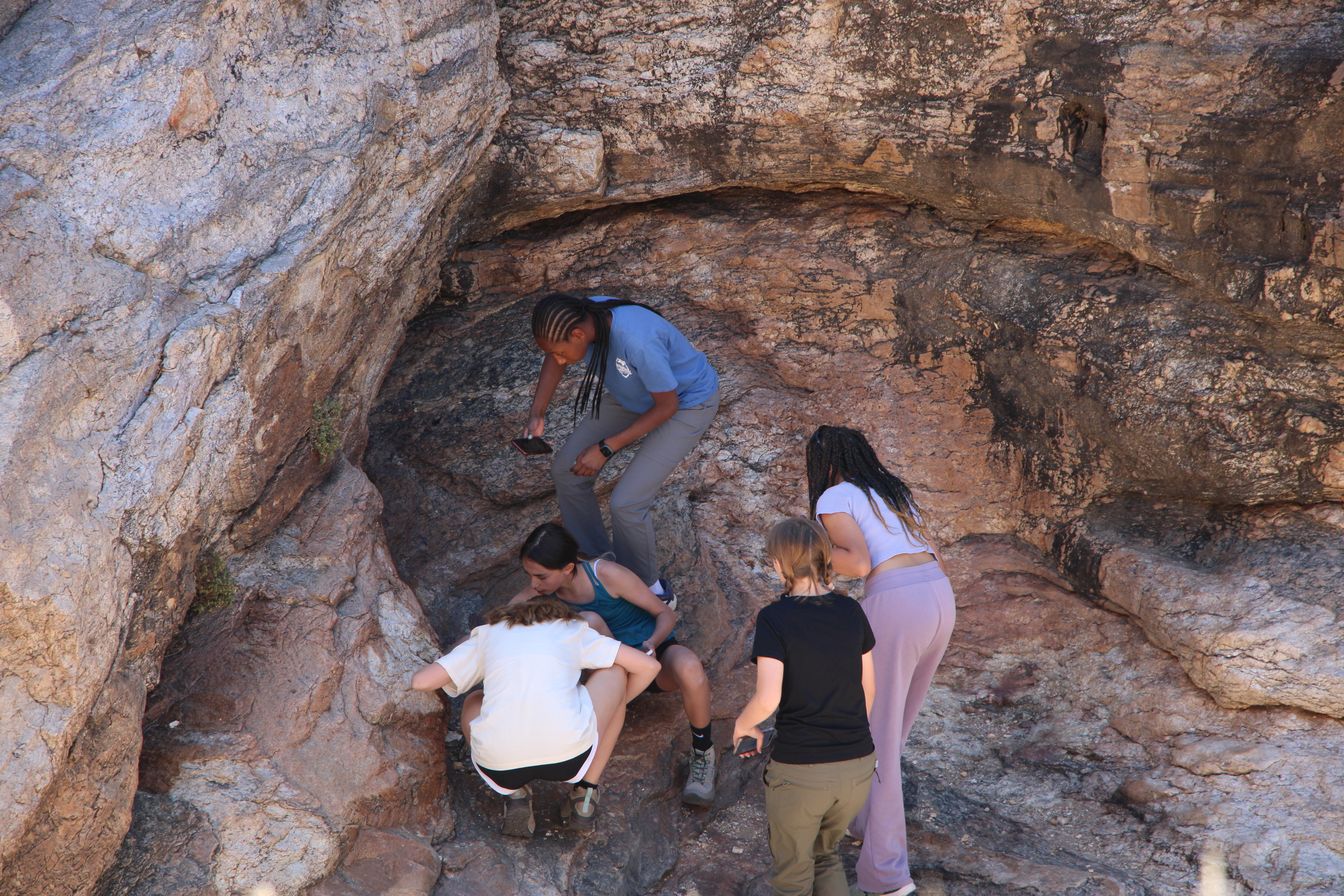
Arizona: When students head west to Tuscon, Arizona, their years of environmental science studies take center stage during a week-long trip. In addition to hiking Kitt Peak, students spend time at the University of Arizona’s Biosphere 2, a state-of-the-art scientific facility. The mission of Biosphere 2 “is to serve as a center for research, outreach, teaching and life-long learning about Earth, its living systems, and its place in the universe; to catalyze interdisciplinary thinking and understanding about Earth and its future; to be an adaptive tool for Earth education and outreach to industry, government, and the public; and to distill issues related to Earth systems planning and management for use by policymakers, students and the public.”
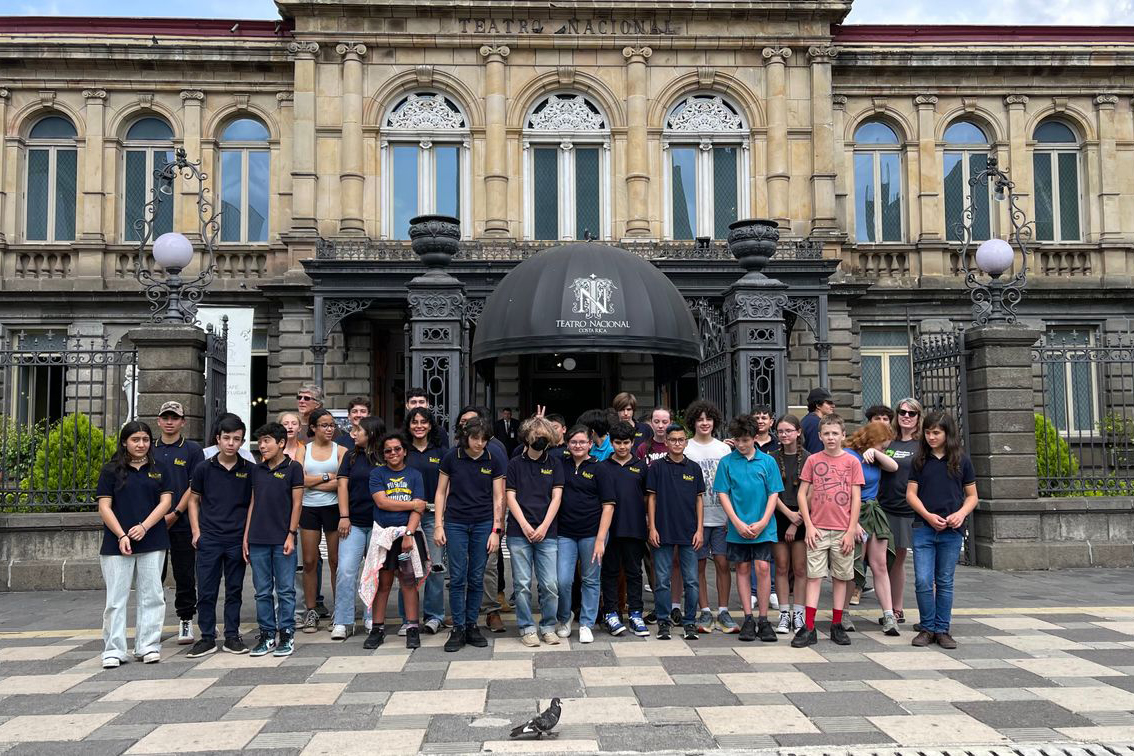
Costa Rica: When students make their way to San José, Costa Rica, they enjoy an authentic immersion experience that includes living with the Costa Rican families of students from The Summit School, our sister school in Coronado, Costa Rica. Together, our students and the Ticos (a colloquial term for natives of Costa Rica) go everywhere together. They visit volcanoes, complete high ropes courses, and sail through the rainforest canopy on zip lines. While on the coast, the snorkel and explore rain forests and animal sanctuaries. They also spend a day in downtown San José learning about Costa Rican history, art, and government. With every visit to Costa Rica, our students return with their eyes a little wider and their lives a little richer as they have their first experience actually living in another culture.
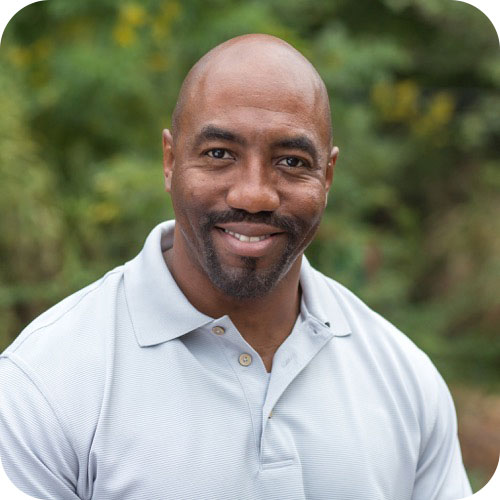
Doug Williams joined our School in 2005 as a member of our Junior High teaching team. He holds a Bachelor of Arts in liberal studies from North Carolina Agricultural and Technical State University and a Montessori teaching credential in Secondary I (12 to 15 years old). Prior to joining GMS, he worked as a full-time mathematics tutor.
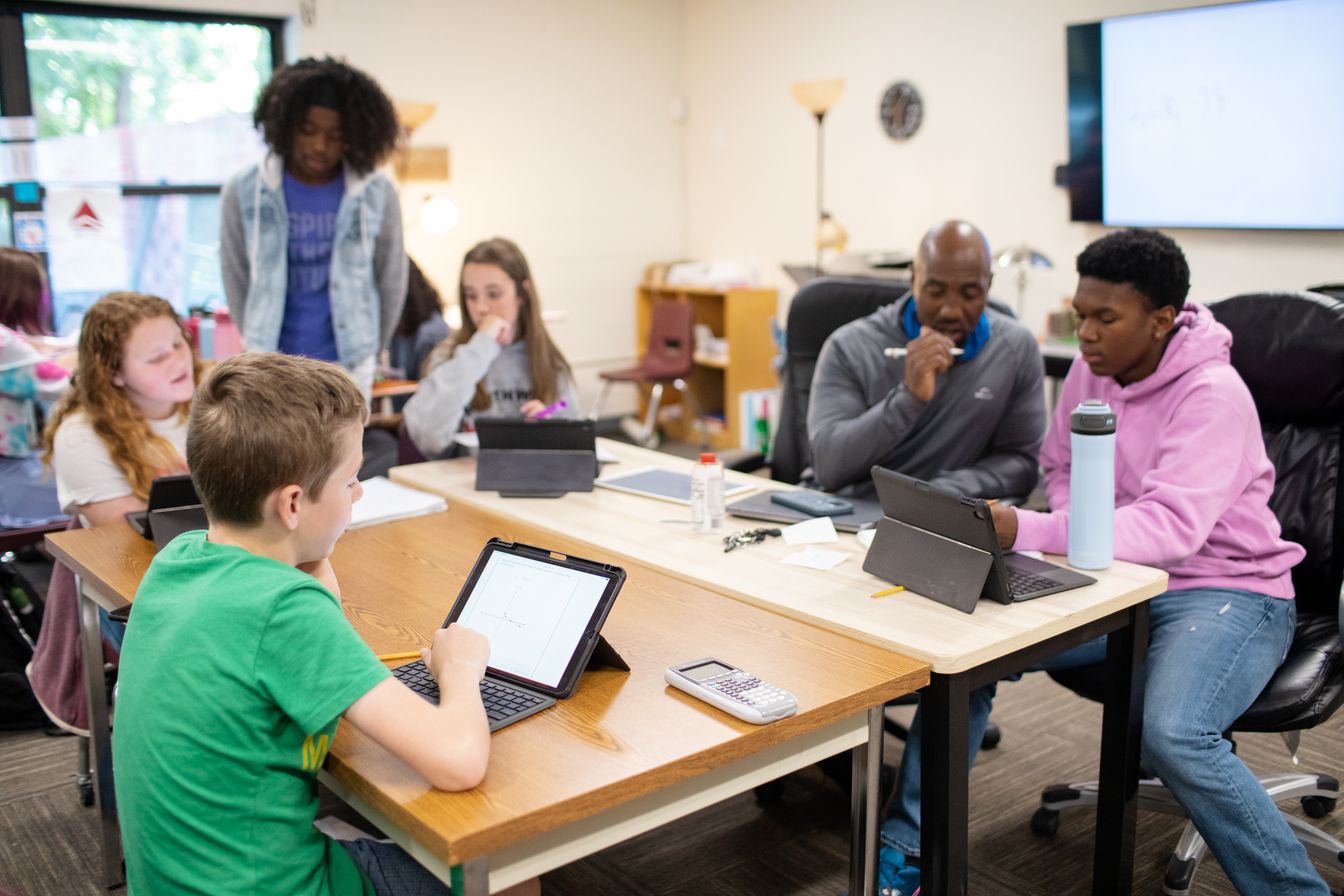
Doug partners with Emily Daniels (humanities faculty) and Tim Goetz (science faculty) in our Junior High program guiding students in seventh, eighth, and ninth grades. In addition to teaching mathematics, he guides the financial and eCommerce functions of the Junior High microeconomy.
GMS: How did you learn about Greensboro Montessori School?
DW: I tutored a student whose sister was in eighth grade at GMS. The student's mother informed me that the school was looking for a math teacher. I met with Frank Brainard (former head of school) and the Junior High crew at the time, and came in for a formal interview. The rest is history.
GMS: We appreciate that mother! Word of mouth is our best source of referrals for new faculty and new students. After you visited, what was it about Montessori education that made you choose to work here?
DW: The Montessori philosophy aligns with my belief that education should be student centered. I am also inspired by teachers as guides and the prepared environment. To quote Betsy Coe, "If your instruction is more than seven minutes, you are doing the work for them!"
GMS: It's no surprise that the child-centered approach is what speaks to you ... it's shared core value for most Montessorians. You've been working with adolescent students since your first day at GMS. What excites you most about our seventh, eighth, and ninth graders?
DW: The sassy kids. Middle school ("Junior High" at GMS) is a great age to work with. Kids are learning what it means to be an adult, yet they are still kids.
GMS: What do you enjoy sharing most with your students?
SS: I enjoy giving them independence and letting them learn from the prepared environment and their peers.
GMS: It's time to get personal. Where did you grow up, and do you mind sharing a favorite memory from childhood?
DW: I grew up in Halifax County, NC in a very small town called Scotland Neck, close to Rocky Mount, NC. My mom has six brothers and five sisters. I enjoyed visiting them as a child. There was always some place to go.
GMS: We know your mom means a lot to you. Is there anything you want to share about her?
DW: My mom is the epitome of sacrifice, selflessness, and love. She was the primary care giver for my grandmother for almost 20 years.
GMS: The apple doesn't fall from the tree. You embody the same qualities; we can't recall a time you've said "no" to any request, job, or favor here on campus. Thank you for your servant leadership. Outside of everything you do for GMS, what do you enjoy doing for yourself?
DW: I hit the gym six days a week. I bowl once a week.
GMS: If your craving a post-workout snack, what do you reach for, salty or sweet?
DW: Both! Kettle corn is my favorite snack.
GMS: What is something you don’t get to do often but it still feeds your soul?
DW: Read books by Orson Scott Card.
GMS: What have we forgotten to ask about, and what would you like to share?
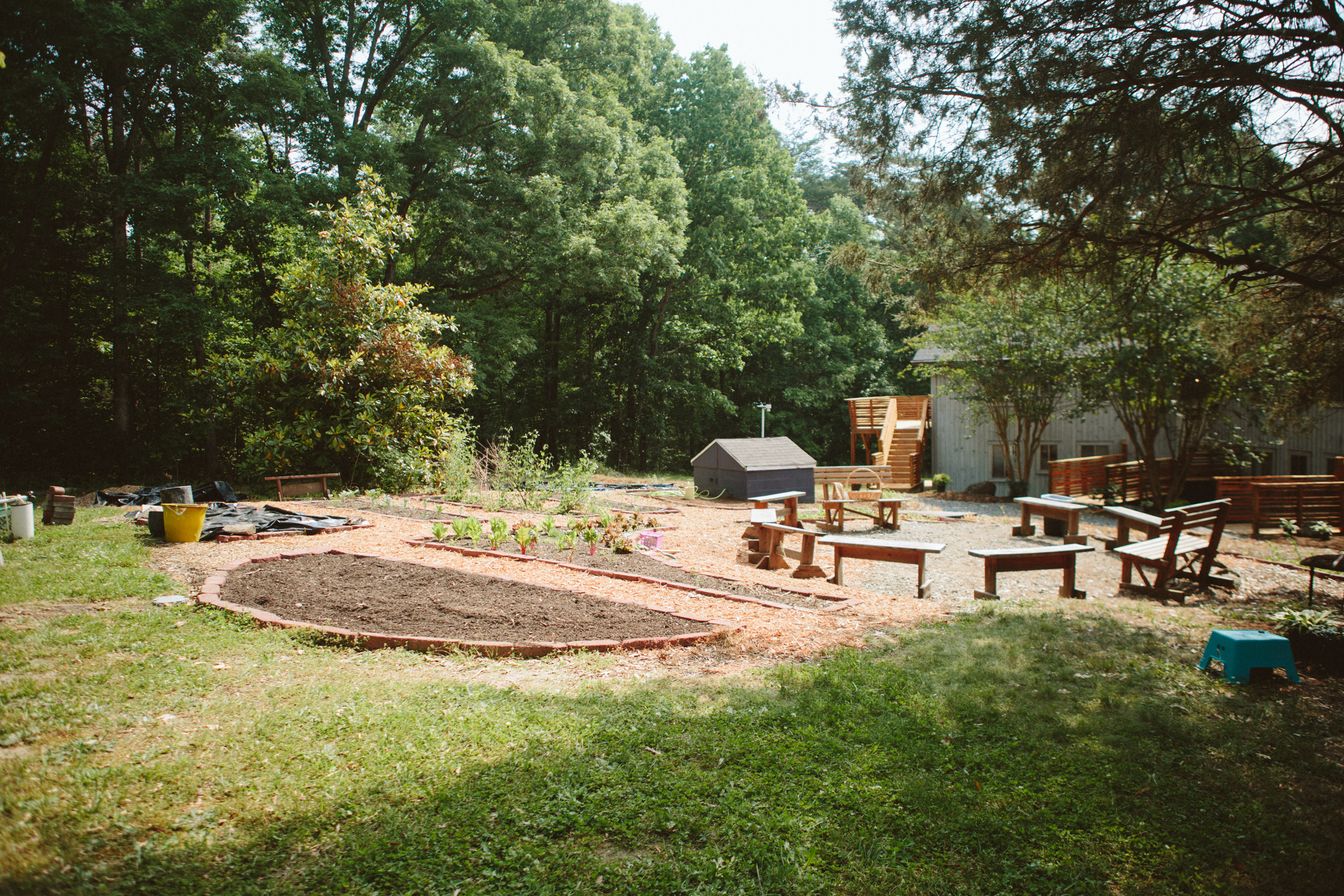
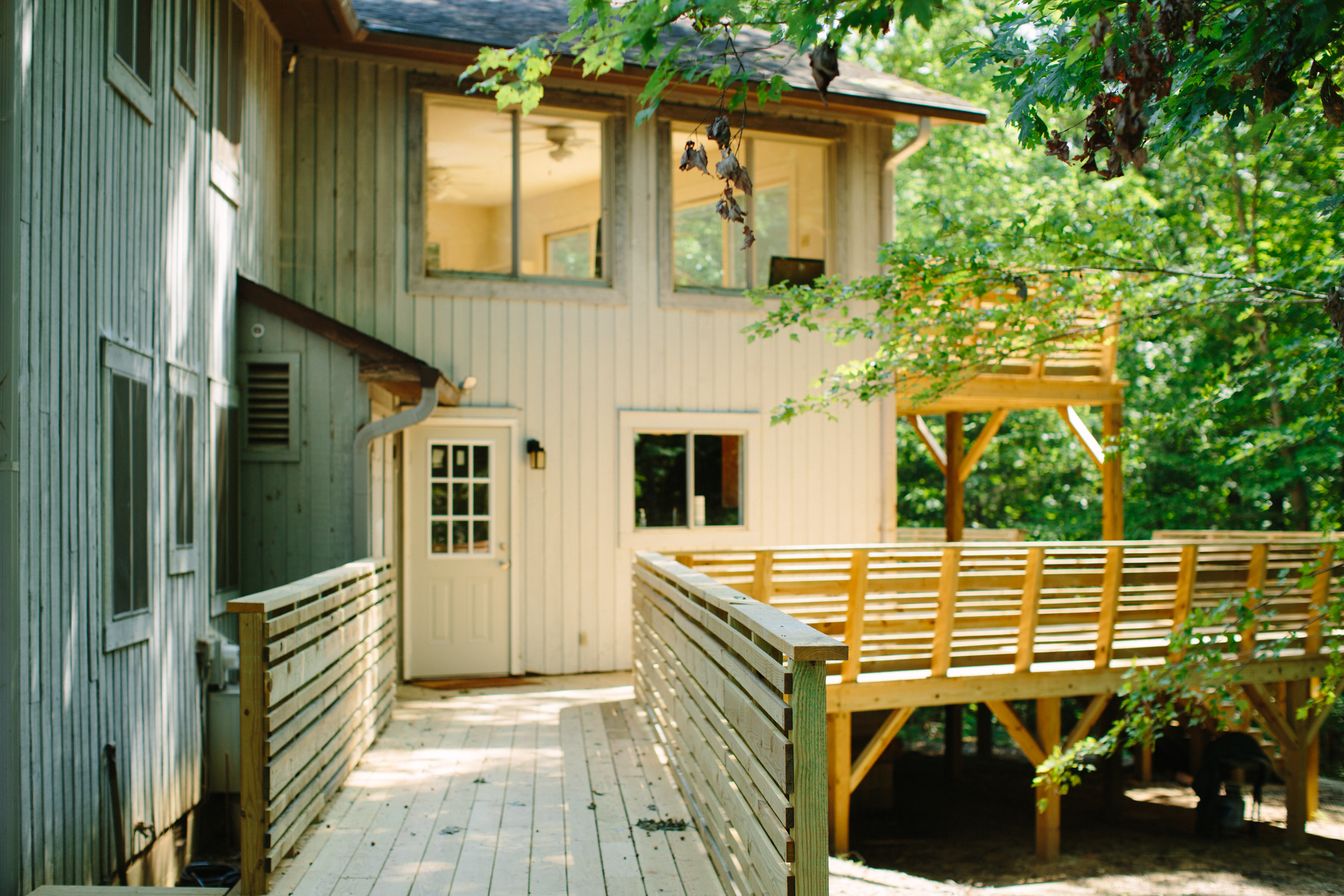
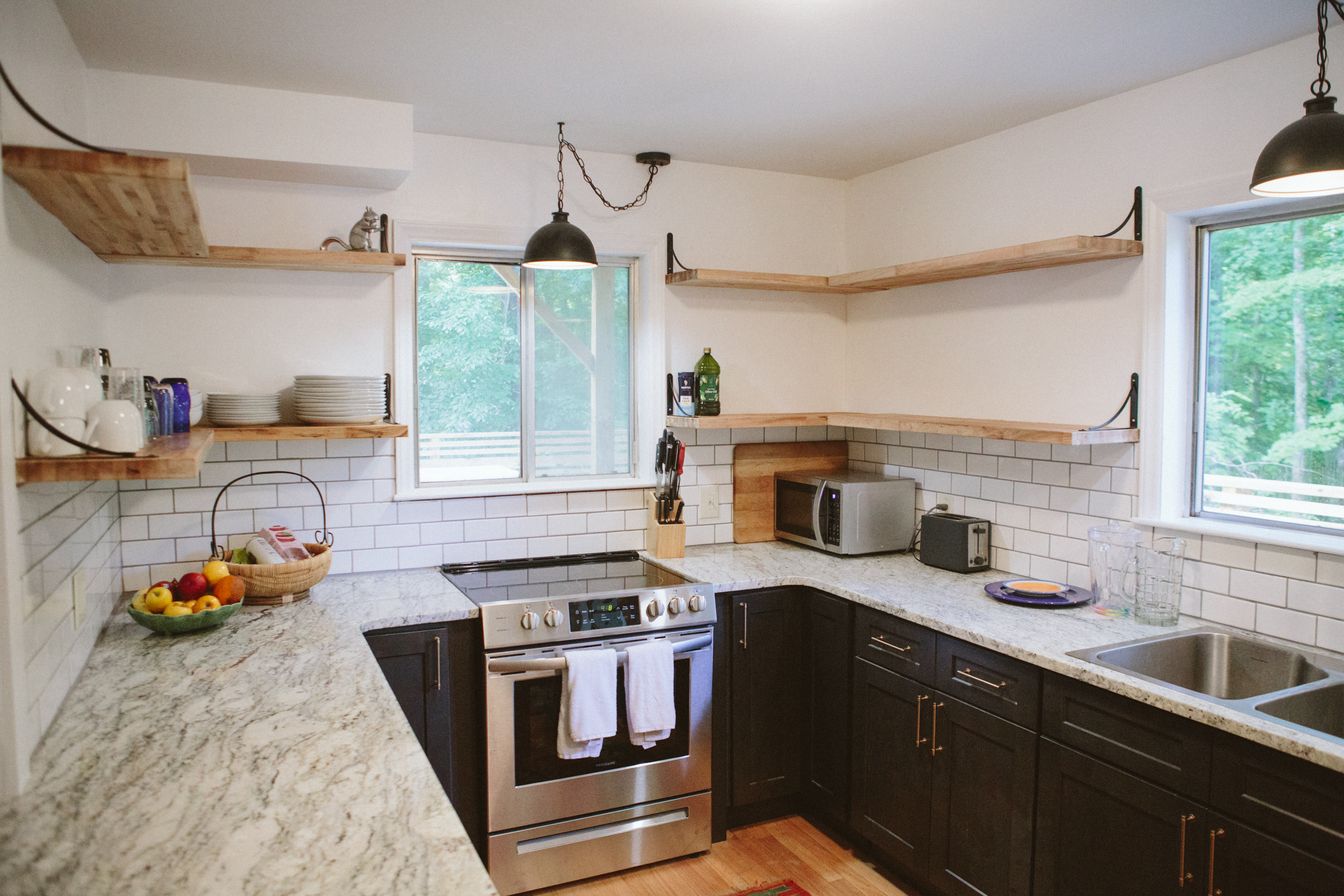
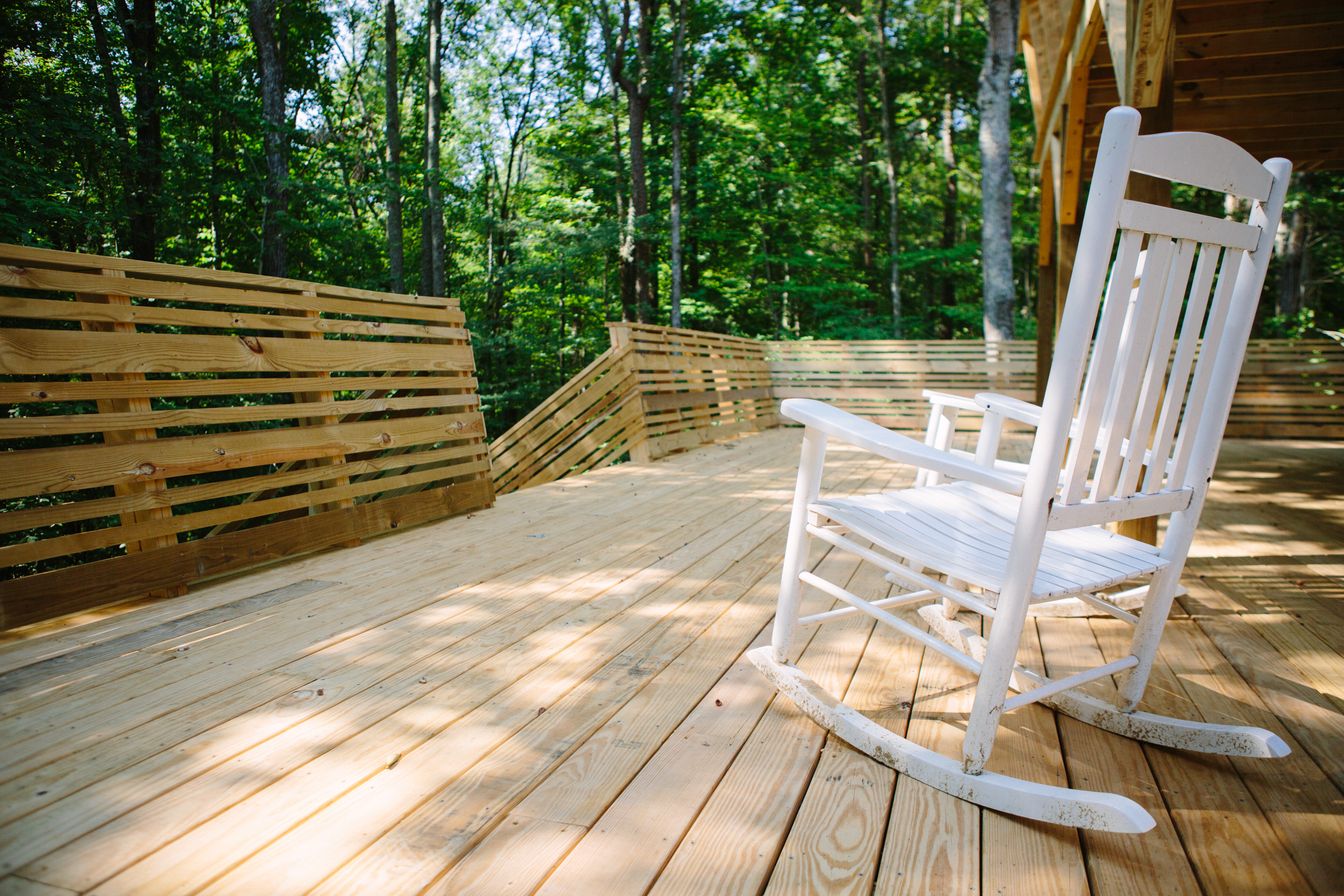
DW: In 2022 I became the resident caretaker at the retreat center (the house) at The Land. The retreat center is a bunk house with four wings. One of those wings is my apartment, with the other three wings featuring bunk rooms for students. In addition to living there, I spend about 10 hours a week caring for the inside of the house and the property immediately surrounding the house. I absolutely love it!
Greensboro Montessori School has been celebrating eighth grade graduations since 1997, when our first class of three eighth graders completed their Montessori journey and excelled into high school. These early graduates are now young professionals with families of their own and many choose to enroll their children at our School. This year we welcomed another legacy alumni family to our School – Michelle Todd and Steven Todd '03. Michelle is a speech language pathologist in Gastonia and Steven is a professional pilot. Their son, Andrew, is a member of our Toddler community.
GMS: Michelle and Steven, thank you for taking time to share more about your family with us. Before we jump in, what can you tell us about yourselves as individuals?
MT: I grew up in a rural area of Indiana with my parents and younger sister. I knew early on I wanted to be in a profession that helped individuals. I attended Purdue University for my undergraduate degree and UNCG for my masters degree. I primarily work with the adult population specializing in stroke/traumatic brain injury, head and neck cancer, and dysphagia within the acute and inpatient rehabilitation settings. Outside of work I love to craft, bake, organize, spend time with our dog (Maisy), and travel.
ST: Thanks to my dad, aviation has always been a love story to me. With all the ups and downs, a love story is about passion, goals, and dreams. And those dreams started young for me!
I remember teachers at GMS helping me learn certain concepts by trying to explain it in aviation terms. Part of my graduation speech included my goal to attend Embry Riddle Aeronautical University. This eventually became a reality. While I originally wanted to fly professionally, I pursued aviation management after heeding the advice of my dad that I should learn every aspect of the aviation industry to truly find my passion.
I started on the ramp loading baggage and cleaning jets at the Greensboro airport for Piedmont Airlines during college. Following graduation, I moved to Phoenix working on the ramp in management. The following year, I secured a position in Charlotte for US Airways (and later American Airlines post-merger) as a customer service manager. I eventually managed AA’s ground operations from the tower. Throughout this time, I still had a desire for flying professionally and pursued completing my flight training. I later moved to Florida where I instructed international students how to fly. This is where I think Montessori helped me the most. I was now sitting where my teachers sat, except it was in an airplane teaching someone how to fly an amazing machine. I found the teaching techniques I remembered from my time at GMS successfully influence how I instructed. Following a year teaching, I moved on to Envoy Air, a Regional Airline for American Airlines flying an Embraer 175 out of Chicago.
Presently, I fly a Boeing 767 for Atlas Air flying Amazon Cargo and US Troops and their families around the world. Along with everything you do in life, the hard work and the passion with which you approach your goals and dreams are everything: from a baggage handler loading and cleaning jets night after night to working one of the coolest jobs I think most children dream about when they look up in the sky. I wholeheartedly believe if it wasn’t for my upbringing in the Montessori environment, it would have been a lot harder to pursue those dreams. A child can truly be or do anything that they can imagine which is what I think Montessori is best at. The passion and the imagination of a child is truly an incredible gift that we all get to take a part in developing and fostering.
GMS: You both have great personal stories. How did these stories come together?
MT: We met during college at a young adult church function. We later learned we actually lived in the same apartment complex one building apart. We ended up dating long distance upon graduation; however, distance certainly made the heart grow fonder. We feel the strong foundation in communication we made has allowed us to continually grow together. We love the beautiful life we are making and can’t wait to see what the future holds.
GMS: We are excited as well and grateful your family has chosen GMS to play a role. Michelle, do you remember when Steven first told you about his time at GMS and the moment when you decided as a family that Montessori was right for your family?
MT: Steven first shared his educational journey during our time while dating. He always expressed such fondness of his experiences with Montessori from approachability and helpfulness of his teachers to his fun learning experiences that helped foster confidence and responsibility.
After getting married and discussing more in depth our goals for future child(ren), we both agreed a strong educational foundation was of upmost importance to us. Knowing Steven’s positive outlook from his time in Montessori, it certainly was in the forefront of our plans. Once Andrew had his first birthday, we knew Montessori schooling would be perfect for our very curious and active little boy to help further nurture his independence.
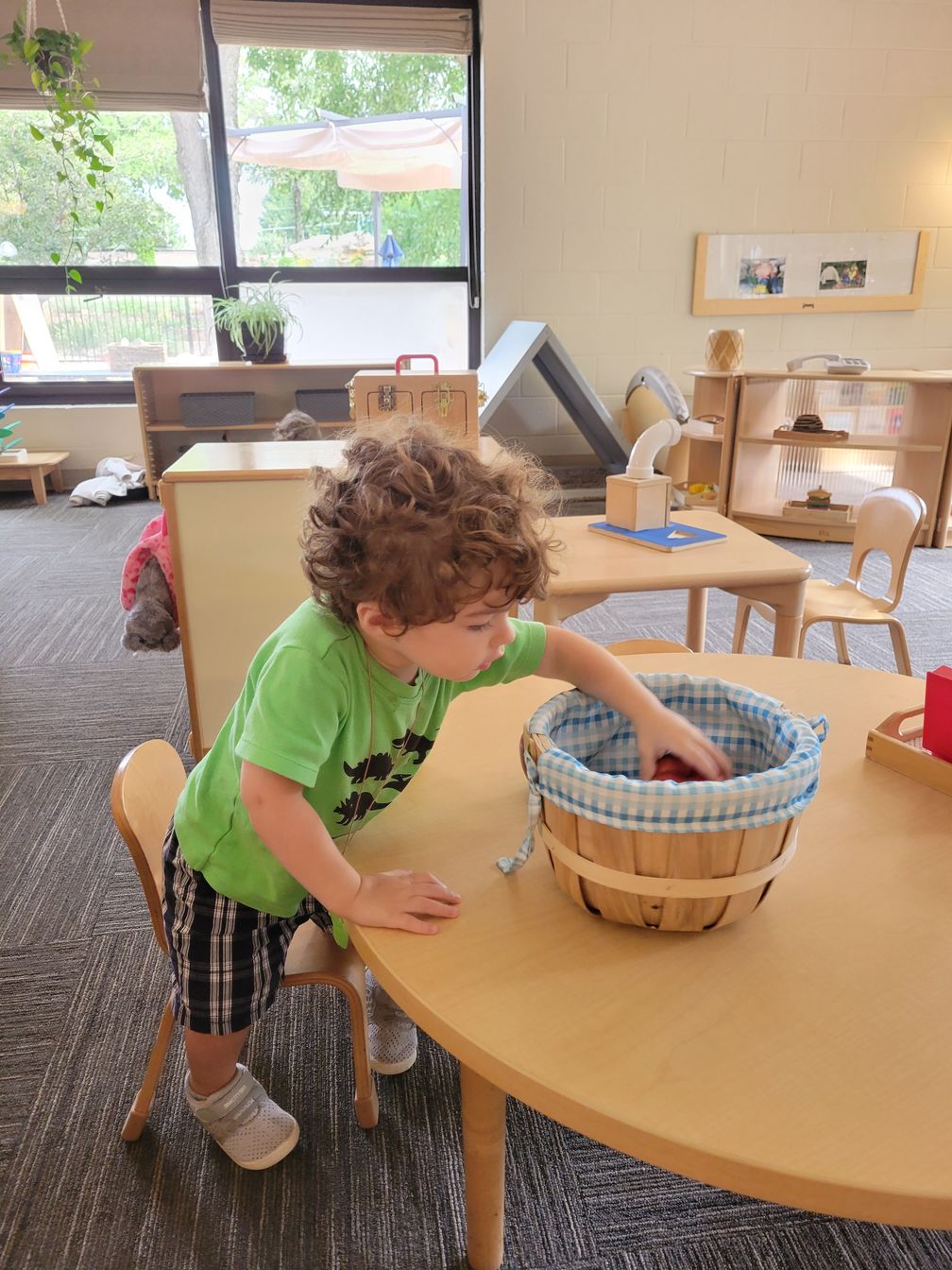
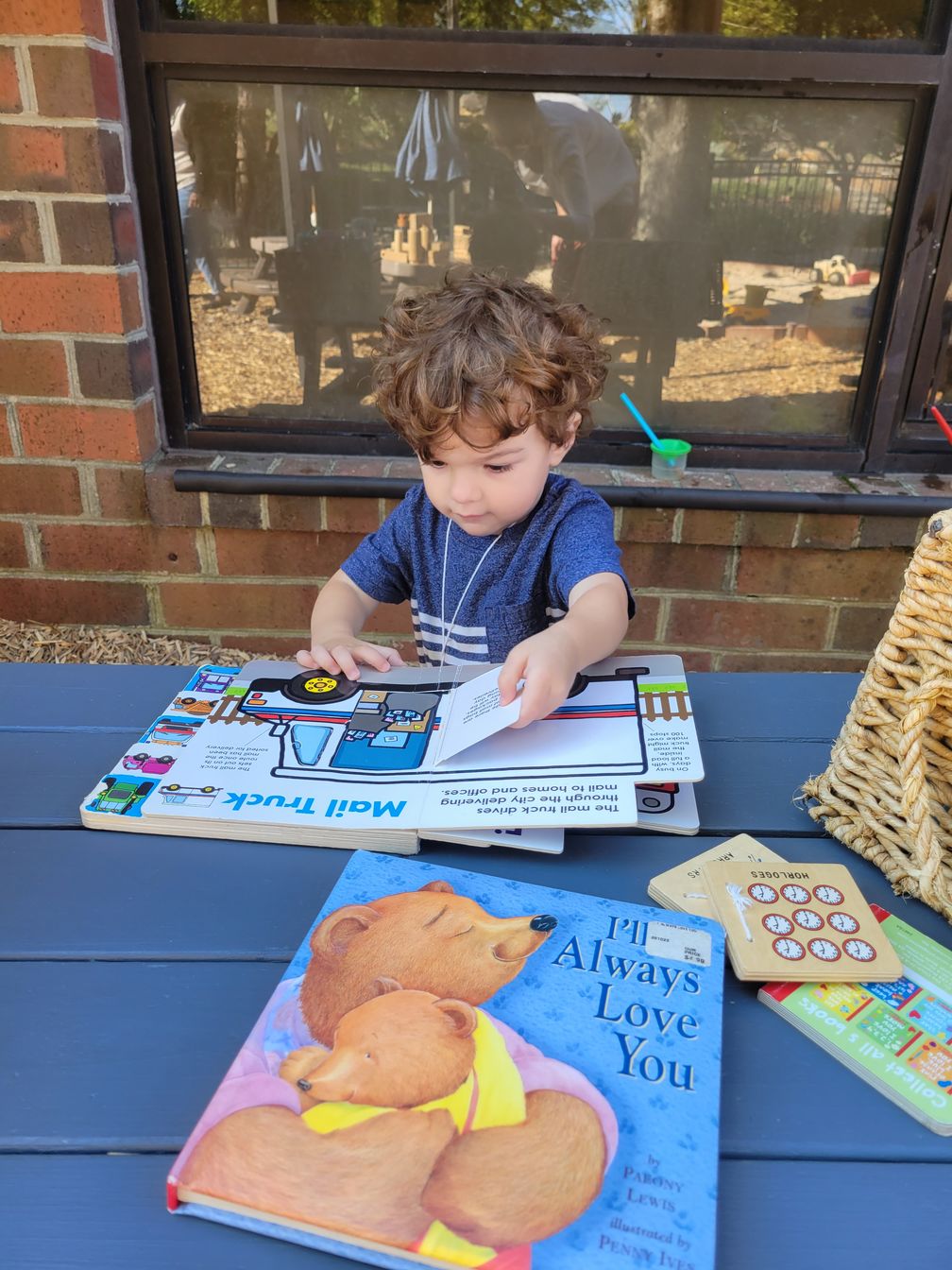
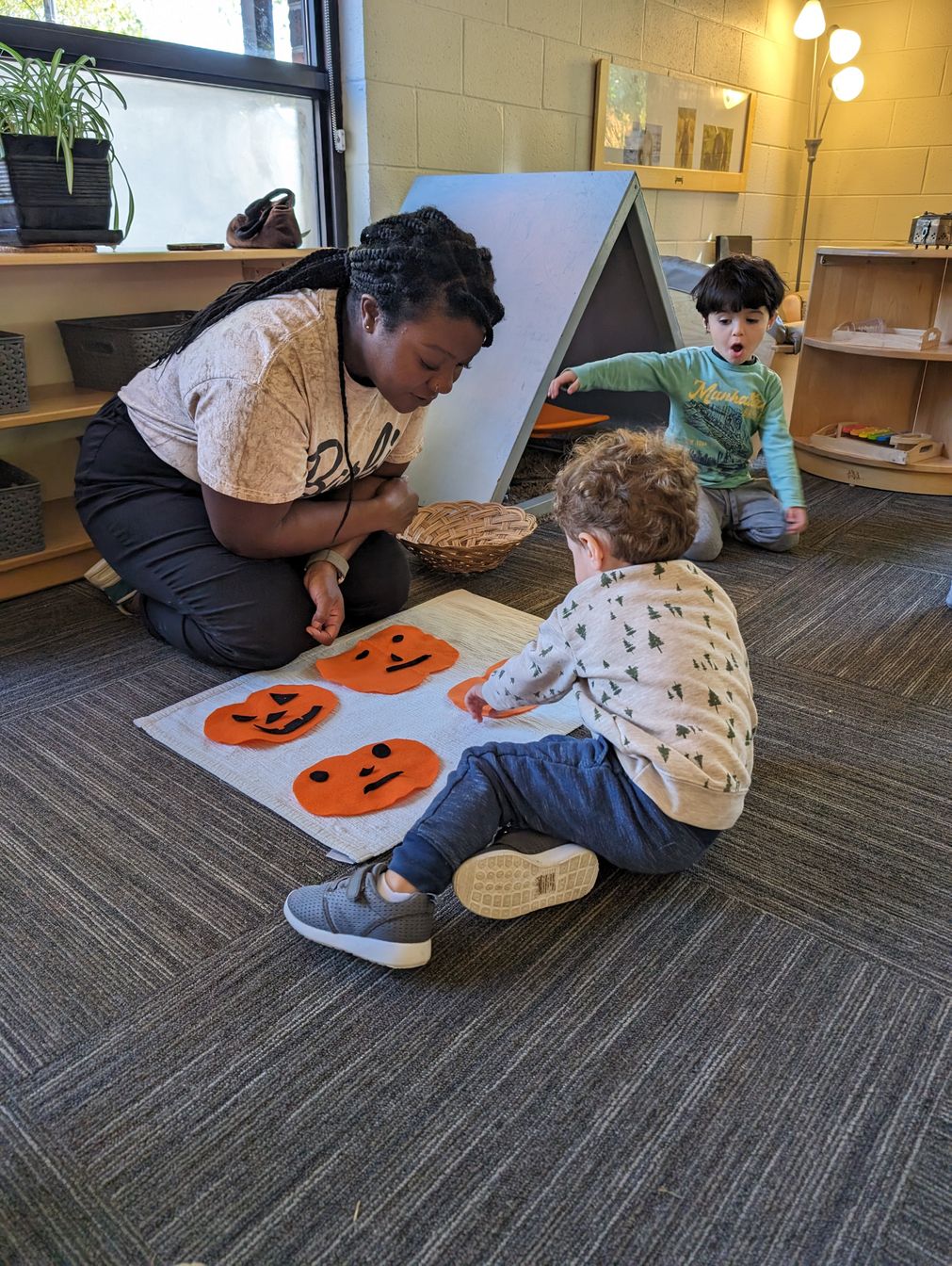
GMS: Yes, Andrew is so curious and independent. We see it in the classroom every day. Steven, how does it feel returning to GMS as a parent? What’s the same, and what’s different?
ST: I think it’s absolutely incredible to return to GMS as a parent. And it’s wonderful seeing adults sending their kids to GMS that I grew up with as well. I think it’s truly powerful to step back into a classroom that I once worked in helping mentor children as a middle schooler. Even as an adult, I still get the same excitement as when I was a student stepping on campus every day, as well as the strong feelings of being loved and cared for as an individual. On that note, I think it’s extremely important for a child to have those same feelings and the same environment to be able to grow into a wonderful caring person throughout the years, which is why I wanted Andrew to be at GMS. I think it’s the best gift in life we could ever give him. I think it’s absolutely incredible what GMS has become since I graduated in 2003 and very much look forward to seeing Andrew grow in the same atmosphere.
GMS: Thank you, Steven, and welcome home! We're so glad to see you every day and thankful you've introduced us to Michelle, and she is also part of this place. What is it about Montessori that most appeals to you as parents?
MT: It is certainly different from the “traditional” or “standard” model that I grew up with; however, I think I appreciate that the most. Maria Montessori stated, “The goal of early childhood education should be to activate the child’s own natural desire to learn.” I am encouraged to know this learning model focuses on the individual with development of foundational life skills for becoming a successful, independent person. I never want my child to have his curiosity or creativity diminished. I want him to be supported and surrounded in an environment where he doesn’t feel insecure to seek out help with challenges and recognize his capability in doing hard things. I also love the encouragement of fostering his constant desire for movement!
ST: Growing up in Montessori, I absolutely loved school. Maria Montessori quoted, “As we observe children, we see the vitality of their spirit, the maximum effort put forth in all they do, the intuition, attention and focus they bring to all life’s events, and the sheer joy they experience in living.” I think this is a very powerful quote for children when it comes to the learning process. A learning environment should be exactly that. That’s why Montessori really spoke to me as a child and really helped foster my personal learning style ... because every child learns differently, and the Montessori environment in my opinion is the best at that.
GMS: What are your dreams for Andrew as he embarks on his Montessori journey?
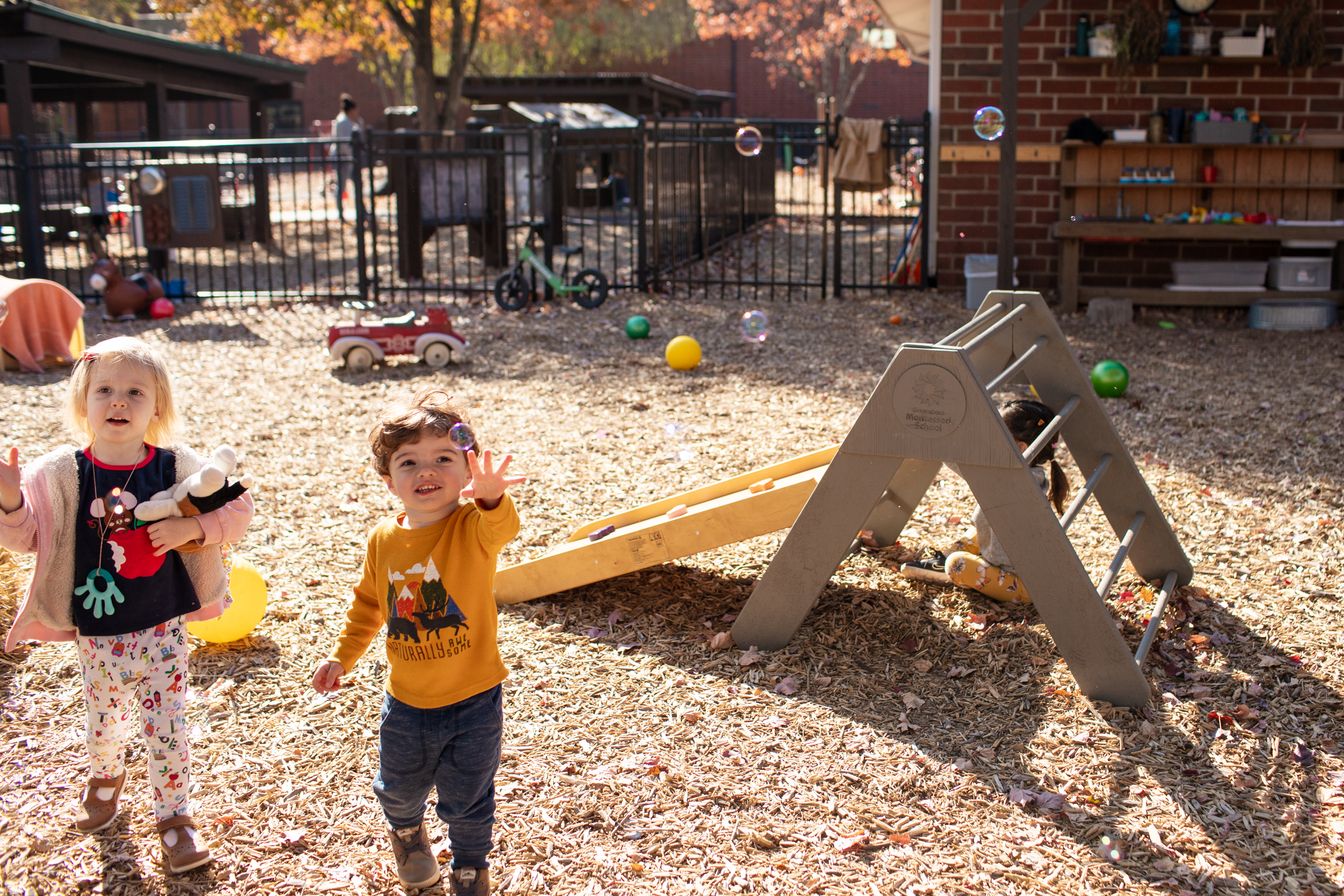
MT: I hope to follow Maria Montessori’s statement “The greatest gifts we can give our children are the roots of responsibility and the wings of independence.” During this phase of toddlerhood, I hope he will continue to develop his love of learning by supporting his curious nature. I also think promoting independence will help his self-confidence, perseverance, and initiative. I know these aspects will help develop a strong foundation for skills he will utilize for his lifetime.
GMS: Thank you for your time, your thoughtful words, and your support of Greensboro Montessori School. We love being on this journey with you and Andrew.
Greensboro Montessori School hosted two teacher workdays this fall, each dedicated on professional development. Classrooms were closed giving our team uninterrupted time to focus on learning new skills and growing as educational professionals. So how did the team use their time?
During our September 20 workday, faculty paused to reflect on the work we do with students every day and our approach to guiding them in their meaningful work. Nancy VanWinkle, instructional coach, and Jessica White Winger, director of student support, led a workshop designed to build teachers’ tool sets for preparing the environment, particularly expanding the resources of the prepared teacher. The theme was building a “Community of Reflective Practitioners,” with a focus on leveraging the collective experience of the educators in the room.
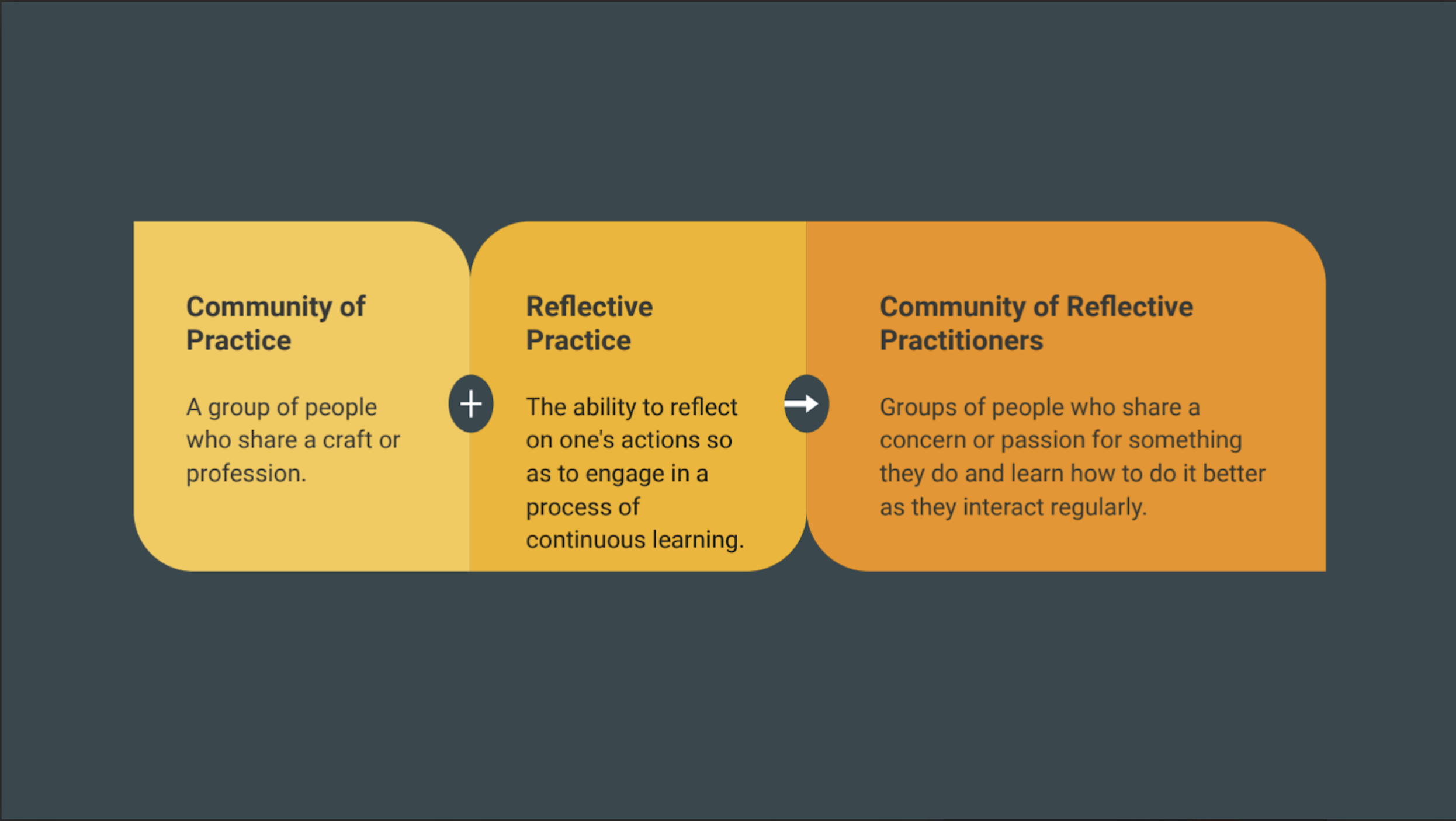
Teachers worked in mixed-division groups, with varying years of experience in the field. The morning opened with a grounding activity in which teachers were shown photographs of individuals who have affected positive change in the world. These individuals have raised awareness around difficult issues, often putting their lives and work at risk to do the “right” thing. Teachers were asked to work with their groups to list the qualities of one of those changemakers. Following a share-out, the group reflected on how we can encourage these qualities in all of our students. This impactful exercise grounded us in the knowledge that each child is under “self construction” and we have the big responsibility of allowing their true light to shine, while helping guide them in becoming their best self.
Following this exercise, Nancy and Jessica shared what resources and experiences they have to support teachers during the 2023-24 school year. As our instructional coach, a role dedicated to support faculty in their professional development, Nancy worked closely with Jessica to design a collaborative problem-solving approach for schoolwide implementation. The model offers teachers a practical tool for seeking input from one another and leveraging the cumulative knowledge of our faculty and staff.
This collaborative problem-solving model has teachers sharing a specific behavior they are experiencing with a child in their classroom. A group of educators, with one facilitator and one recorder, reflects on the overall question, “What’s going on with this child?” and what are the unmet needs, lagging skills, or obstacles that the student might be encountering? By looking at the heart of the issue, we honor the child and seek to better understand what their behavior is telling us. The facilitator then takes the group through a series of brainstorming questions, while the recorder writes strategies and suggestions. In the end, the teacher chooses a strategy to try out for a week and agrees to report back to the group. At that point, they may revisit the brainstorm and select another strategy to try.
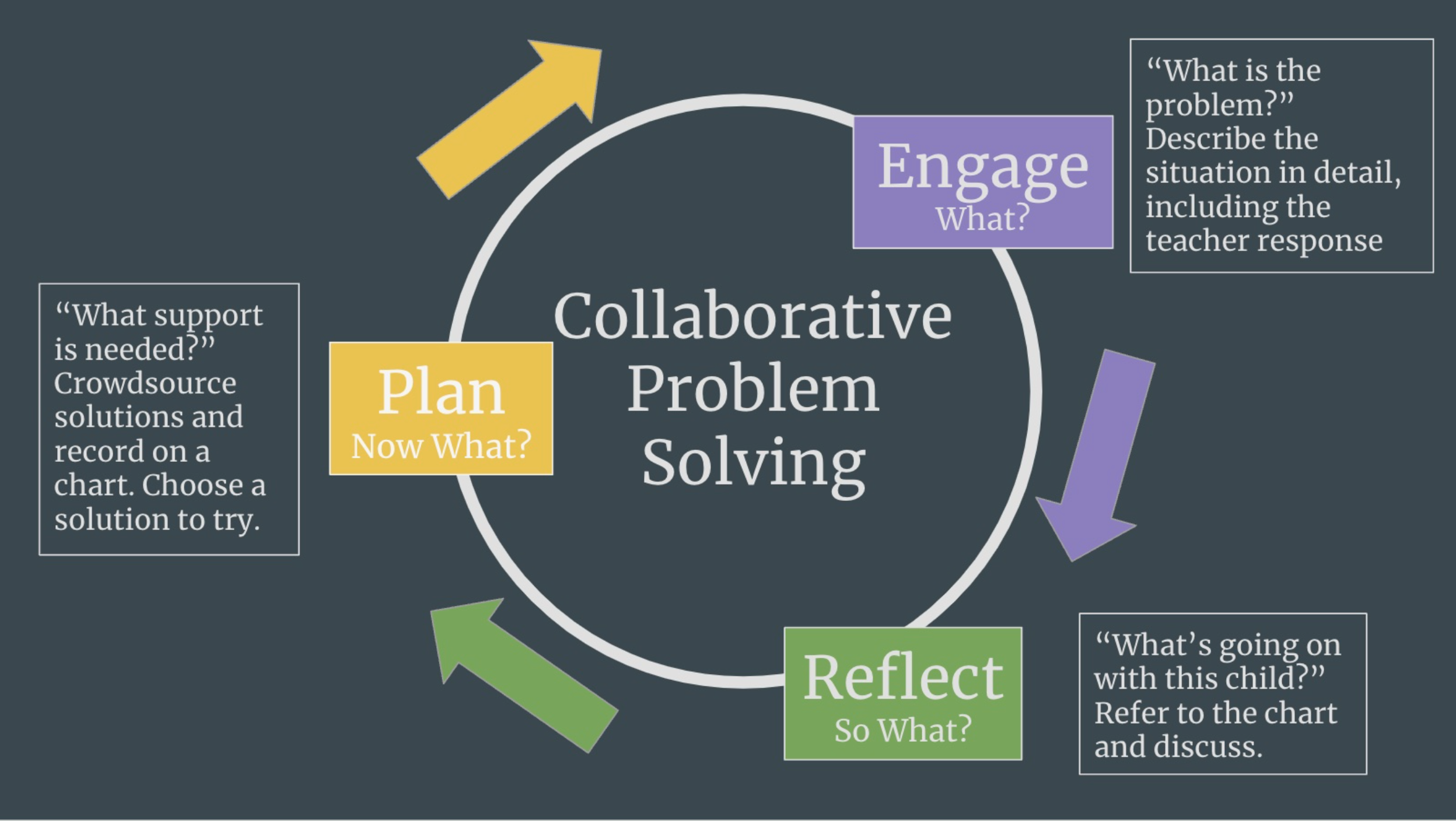
After modeling this process for everyone, teachers split into their mixed-division groups to practice the model. The value of this collaborative approach is vast, as it’s an opportunity for teachers to gain new perspectives and insight, helping create a shift in paradigm and introducing new ways of responding to student needs. It’s about connecting with colleagues and taking a child-centered approach, as much as it’s about reflecting on our own vulnerabilities and finding strength in the process. It is not about “fixing” a behavior, but opening ourselves to trying new approaches and embracing the spirit of the child.
During our October 6 teacher workday, our group of reflective practitioners reunited to share how our new system of collaborative problem solving is helping them in the classroom. Mixed-division groups reported out on strategy successes and areas of growth. More teachers had the opportunity to share a new challenge with their groups and seek strategies to try. Faculty feedback for this process has been overwhelmingly positive, and we are excited to be working closely together to authentically support students and to address their most critical needs.
Teachers spent the latter half of the workday looking at the scope and sequence of their Montessori curriculum, evaluating it with a fine-toothed comb to ensure fidelity and best-practice in every classroom. This “big work” is just one more way we are reflecting on our practice and ensuring that every student at GMS is engaged in meaningful work as they progress from Toddler through Junior High.
Through intentional planning, we make professional development at GMS relevant and meaningful. We consistently follow-up with faculty to ensure we are meeting their needs and supporting their professional growth. From workshops, trainings, and conferences to observations at other schools, professional development offers inspiration and connection for GMS teachers.
Greensboro Montessori School partners with Scholastic Book Fairs every fall and spring. All students in Primary and older have an opportunity to visit the Book Fair and purchase books during the school day. We prefer students do not bring cash to school. Instead, Scholastic Book Fairs has an eWallet payment option. Simply set up an account and have funds immediately available for your child to purchase books.

Set Up Your Child's eWallet
Follow these steps to set up your child's eWallet:
- Visit our Scholastic Book Fair homepage.
- Scroll to the "eWallet" section of the page, and click "Get Started."
- Review how it works, and click "Get Started" once again.
- "Sign in" or "Register" with Scholastic Book Fairs. Note, if you have previously created an account, please use the same login information.
- Complete the form to set up an eWallet. Follow the prompts to fund your child's eWallet. (Note, after creating one eWallet, you may add others for additional children. Click "Manage My Funds" to visit the eWallet tab. Click the arrow in the bottom right to show your first child's full account, and click "+ Add eWallet.")
- If you have funds that your child(ren) did not use during a previous Book Fair, you will see an option to fund your eWallet with a "gift card." This "gift card" holds the balance from the last fair, and clicking that option will transfer the balance to your child's current eWallet.
- If you had a balance on multiple eWallets, the balances have been combined on this one "gift card," which will transfer to the new eWallet you create.
- Once complete, you may print a paper voucher for your child to bring to school, or we can look up your child's eWallet by their name.
Come to Our Book Fair
We look forward to welcoming students, parents, and family members at the following community shopping times.
- Tuesday, April 23: 9 a.m. to 3 p.m.
- Wednesday, April 24: 9 a.m. to 5:30 p.m.
- Thursday, April 25: 9 a.m. to 5:30 p.m.
- Friday, April 26: 9 a.m. to 3 p.m.
If you are interested in volunteering at the Book Fair, please click here to sign up.
If you have any questions about the Book Fair, please don't hesitate to contact us.