Dr. Maria Montessori was a big fan of field trips. In her words, it was important for students to take “outings” or to “go out.” In 1948, Dr. Montessori wrote: “The outing whose aim is neither purely that of personal hygiene nor that of a practical order, but which makes an experience live, will make the child conscious of realities … When the child goes out, it is the world itself that offers itself to him. Let us take the child out to show him real things instead of making objects which represent ideas and closing them up in cupboards.” Hence, the Montessori phrase of “going out” was born.
At Greensboro Montessori School, we take the Montessori tradition of “going out” to heart, as our students take academically aligned, overnight field trips beginning in Lower Elementary. Where lessons in the classroom are a springboard to learning, Montessori outings provide the experiences necessary to move concepts from the abstract to the concrete – to let students apply and expand their knowledge in the world around them.
As our students progress from Toddler to Junior High, they learn the rites of passage, including the field trips, which will greet them along the way. Read about all our adventures, or jump to the division that interests you most.
Lower Elementary
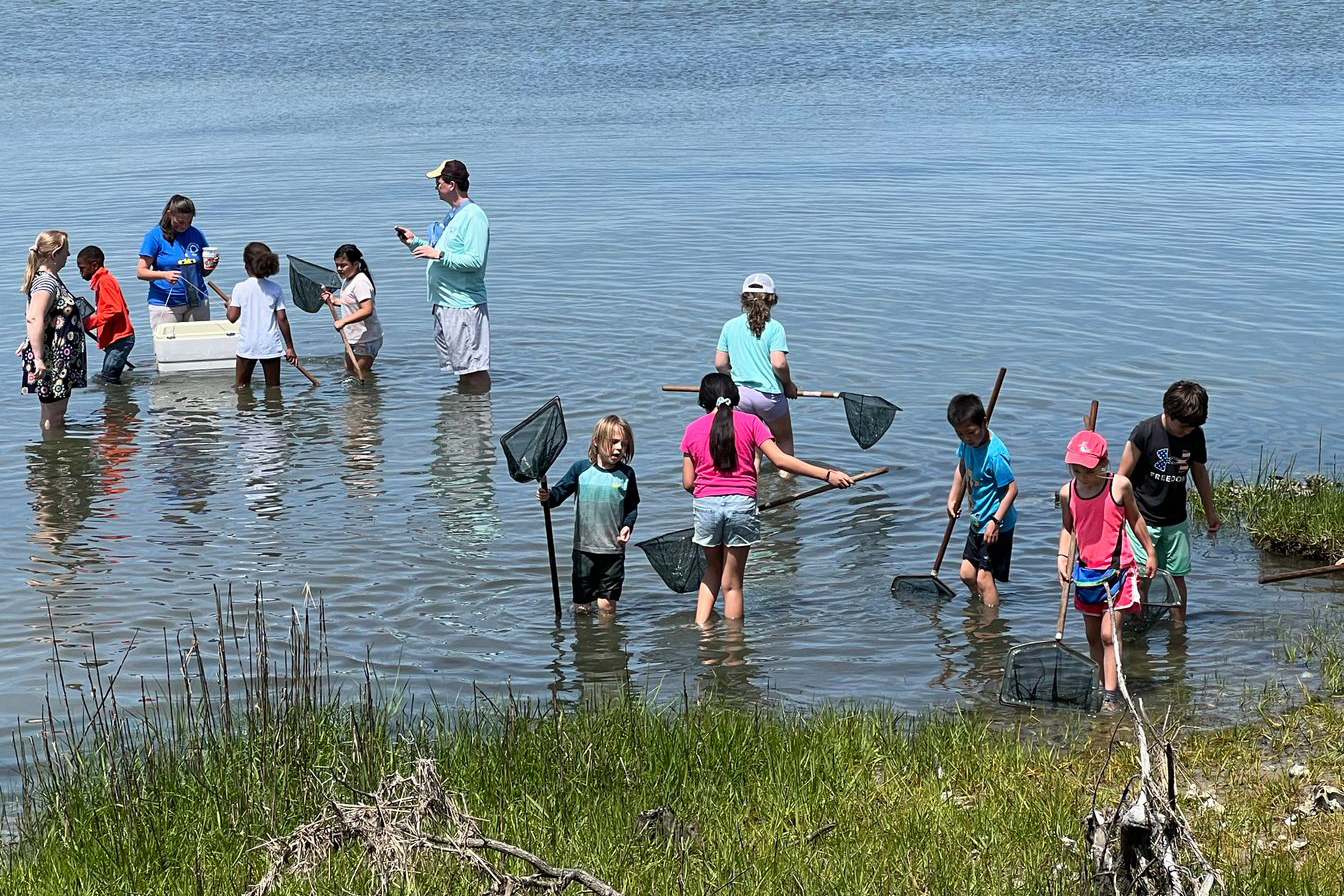
Lower Elementary students enjoy their first overnight field trip in second grade, when they join the third graders for an annual trip to North Carolina’s Crystal Coast. They spend two days and three nights at the Sound to Sea program building upon their lessons in biology, botany, environmental studies, geography, history, and physical science.
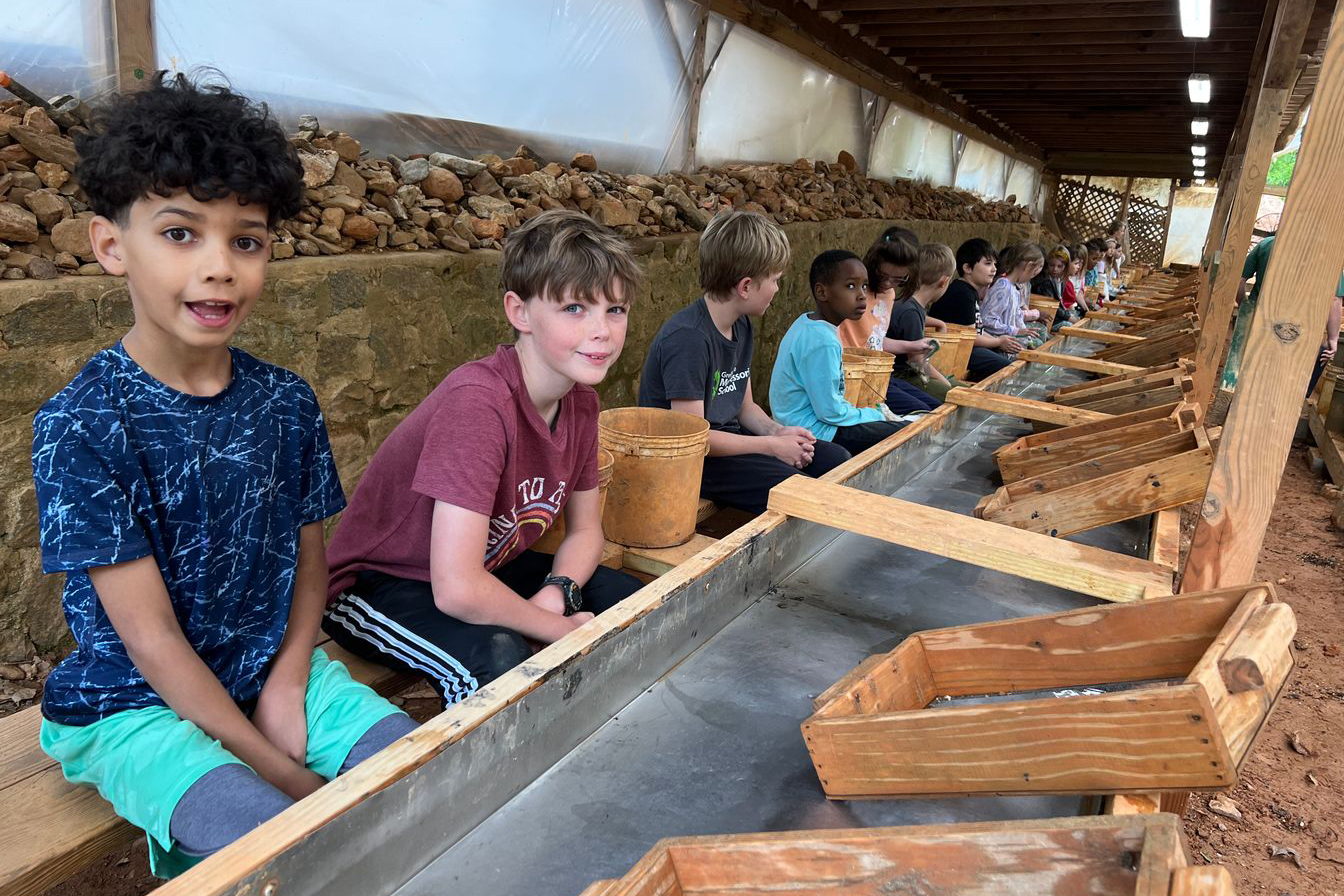
While the second and third graders are at Sound to Sea, first graders enjoy three consecutive day trips to local points of interest. Past destinations include the Greensboro Science Center, the Museum of Life + Science, Emerald Hollow Mine, and the Greensboro History Museum.
Upper Elementary
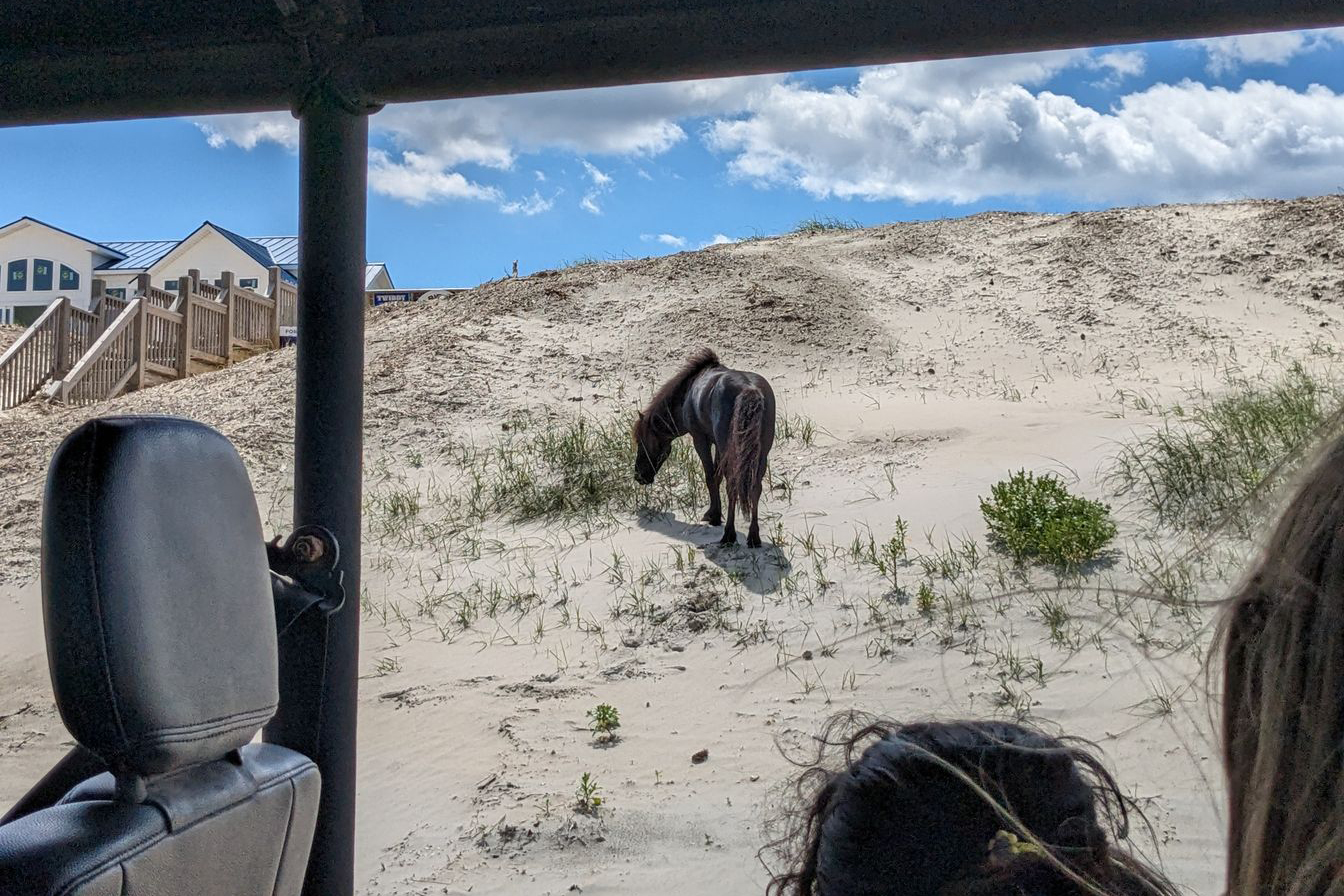
North Carolina's Outer Banks: Fourth graders travel to North Carolina’s Outer Banks where they experience the region’s rich marine biology and storied history. Students visit national landmarks like Roanoke Island, the first settlement of English colonists, and the Wright Brothers National Memorial in Kitty Hawk. In the words of the National Parks Service, Kitty Hawk is the site where Wilbur and Orville Wright “experimented with flight in the early 1900s, and finally succeed[ed] on a cold winter day with the world's first controlled, sustained, powered, heavier-than-air flight.”
Fifth and sixth graders rotate between annual field trips to Colonial Williamsburg and Washington, D.C. every spring.
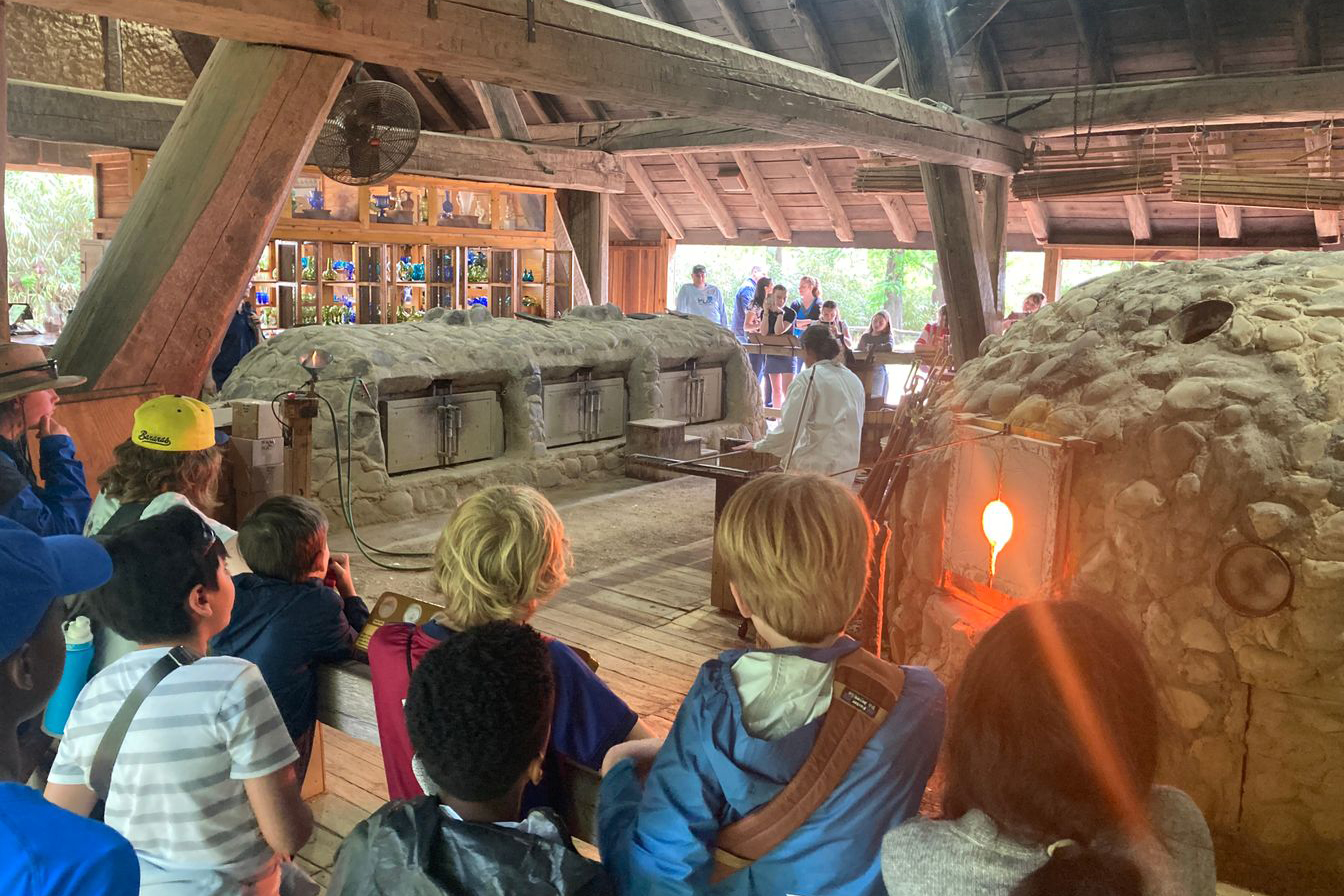
Colonial Williamsburg: For four days and three nights, students immerse themselves in the history of the American Revolution and explore, as Colonial Williamsburg puts it, “the political, cultural, and educational center of what was then the largest, most populous, and most influential of the American colonies. It was here that the fundamental concepts of our republic — responsible leadership, a sense of public service, self-government, and individual liberty — were nurtured under the leadership of patriots such as George Washington, Thomas Jefferson, George Mason, and Peyton Randolph.”
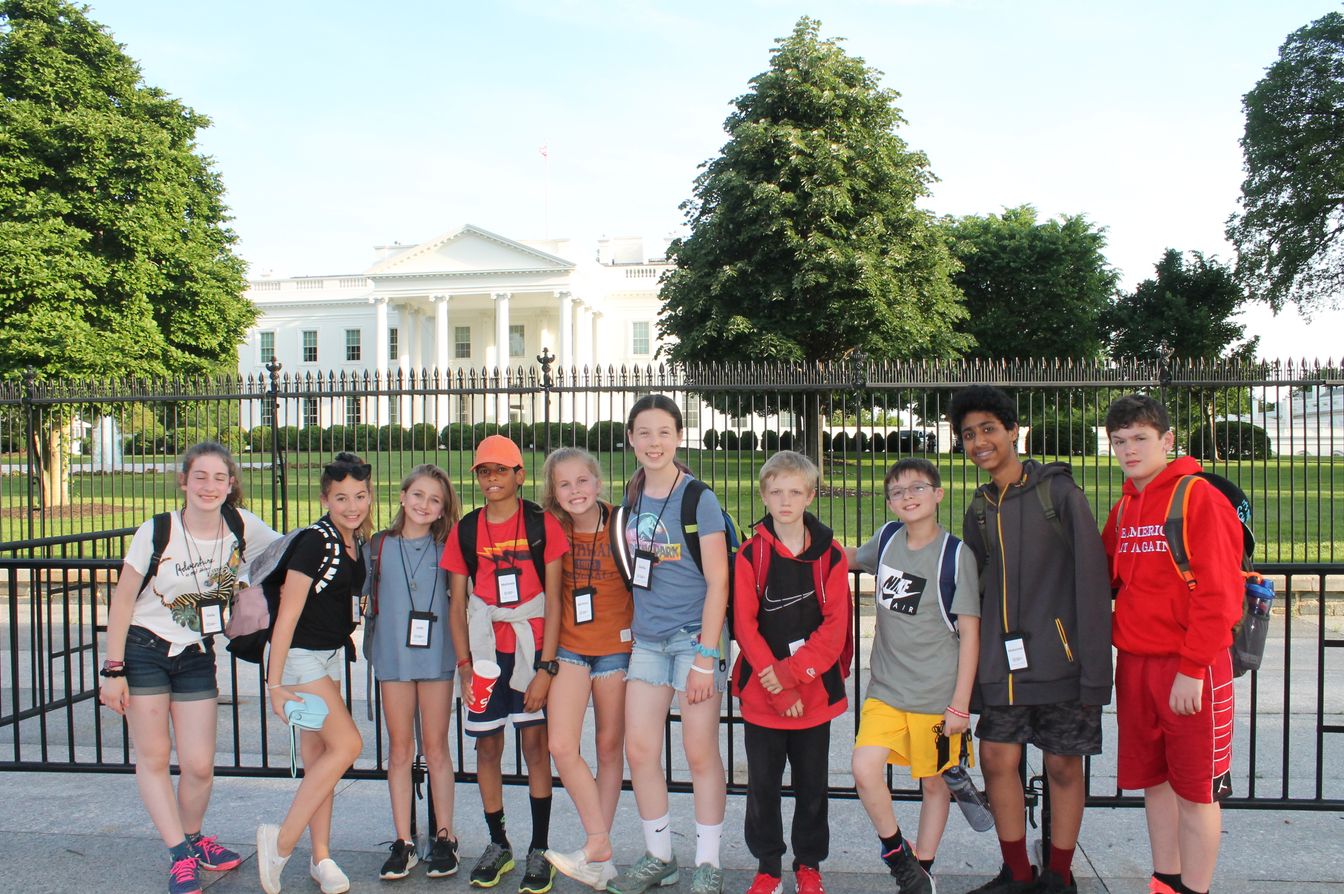
Washington, D.C.: When students head to our nation’s capital, they take a five-day, four-night adventure that includes stops at multiple Smithsonian museums, (including the National Museum of African American History and Culture and the National Air and Space Museum), the National Archives, Arlington National Cemetery, and the National Gallery of Art and Sculpture Garden. Students expand upon their knowledge of national government and civics, while practicing grace and courtesy in a metropolitan city center. Dr. Montessori writes: “A child enclosed within limits however vast remains incapable of realizing his full value and will not succeed in adapting himself to the outer world. For him to progress rapidly, his practical and social lives must be intimately blended with his cultural environment.”
Junior High
Seventh and eighth graders rotate between annual field trips to Arizona and Costa Rica every spring.
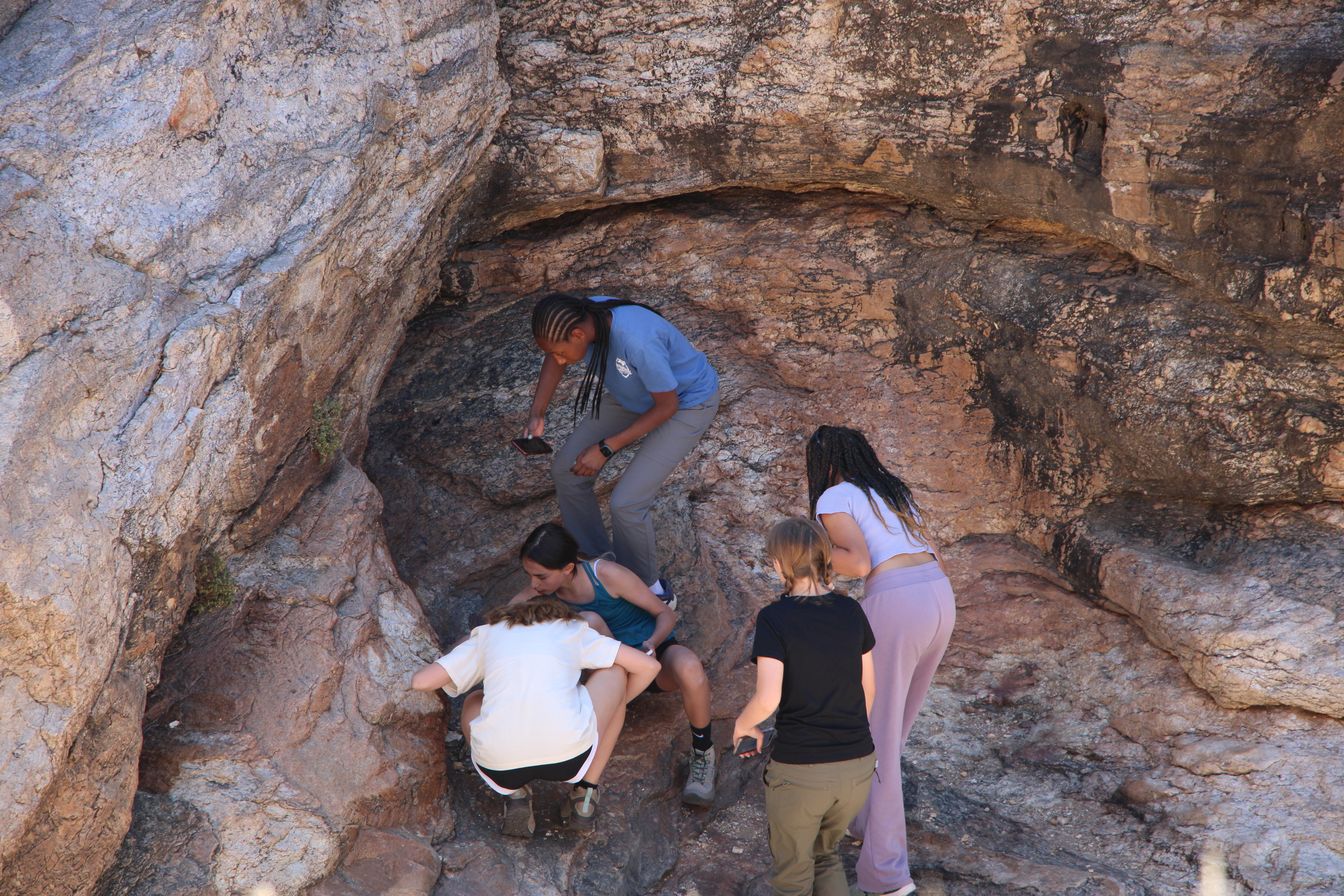
Arizona: When students head west to Tuscon, Arizona, their years of environmental science studies take center stage during a week-long trip. In addition to hiking Kitt Peak, students spend time at the University of Arizona’s Biosphere 2, a state-of-the-art scientific facility. The mission of Biosphere 2 “is to serve as a center for research, outreach, teaching and life-long learning about Earth, its living systems, and its place in the universe; to catalyze interdisciplinary thinking and understanding about Earth and its future; to be an adaptive tool for Earth education and outreach to industry, government, and the public; and to distill issues related to Earth systems planning and management for use by policymakers, students and the public.”
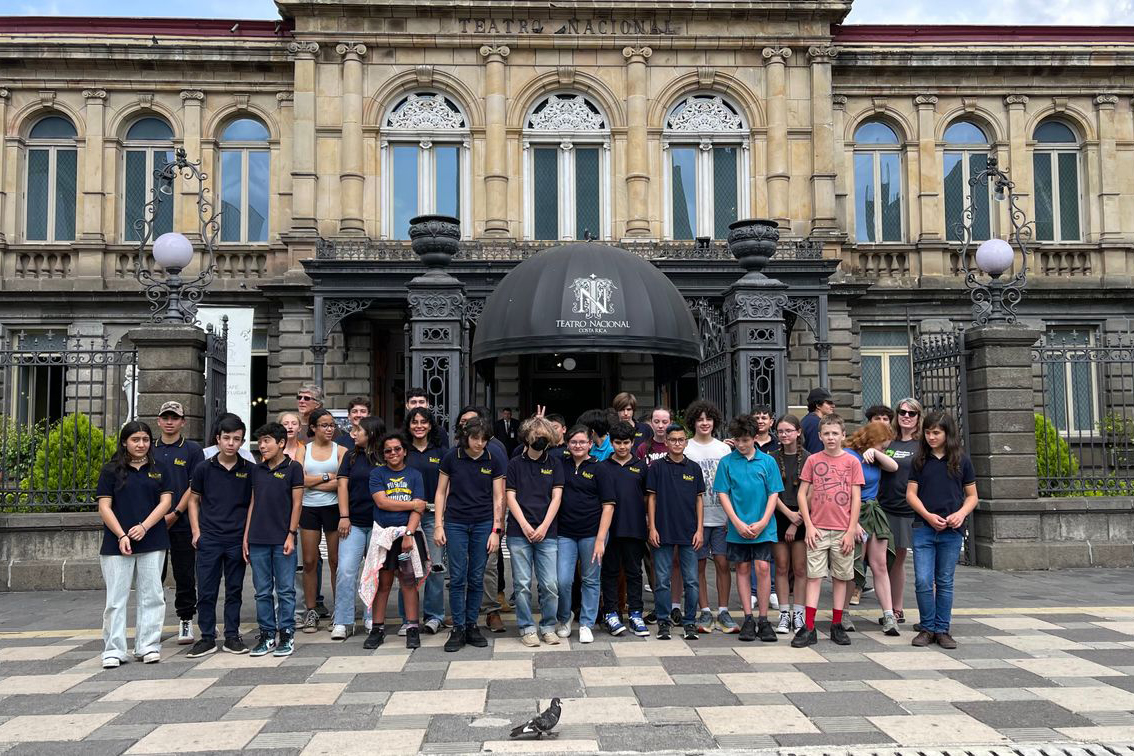
Costa Rica: When students make their way to San José, Costa Rica, they enjoy an authentic immersion experience that includes living with the Costa Rican families of students from The Summit School, our sister school in Coronado, Costa Rica. Together, our students and the Ticos (a colloquial term for natives of Costa Rica) go everywhere together. They visit volcanoes, complete high ropes courses, and sail through the rainforest canopy on zip lines. While on the coast, the snorkel and explore rain forests and animal sanctuaries. They also spend a day in downtown San José learning about Costa Rican history, art, and government. With every visit to Costa Rica, our students return with their eyes a little wider and their lives a little richer as they have their first experience actually living in another culture.