Was Maria Montessori a neuroscientist?
Not exactly. The field didn’t formally exist during her lifetime (1870 - 1952). And yet, through her observations and the curriculum she developed, it’s clear she deeply understood how children learn and how the brain develops. Our work with Dr. Steven Hughes has reinforced this idea: Montessori education aligns remarkably well with what modern neuroscience continues to reveal.
Since our founding in 1974, our faculty have been committed to meeting each child where they are. We recognize that children are unique, and it is our responsibility to tailor both instruction and environment to support each learner. As the world evolves, so do the experiences and needs of children. Our work to better understand how they learn is ongoing, and we continually refine our practice.
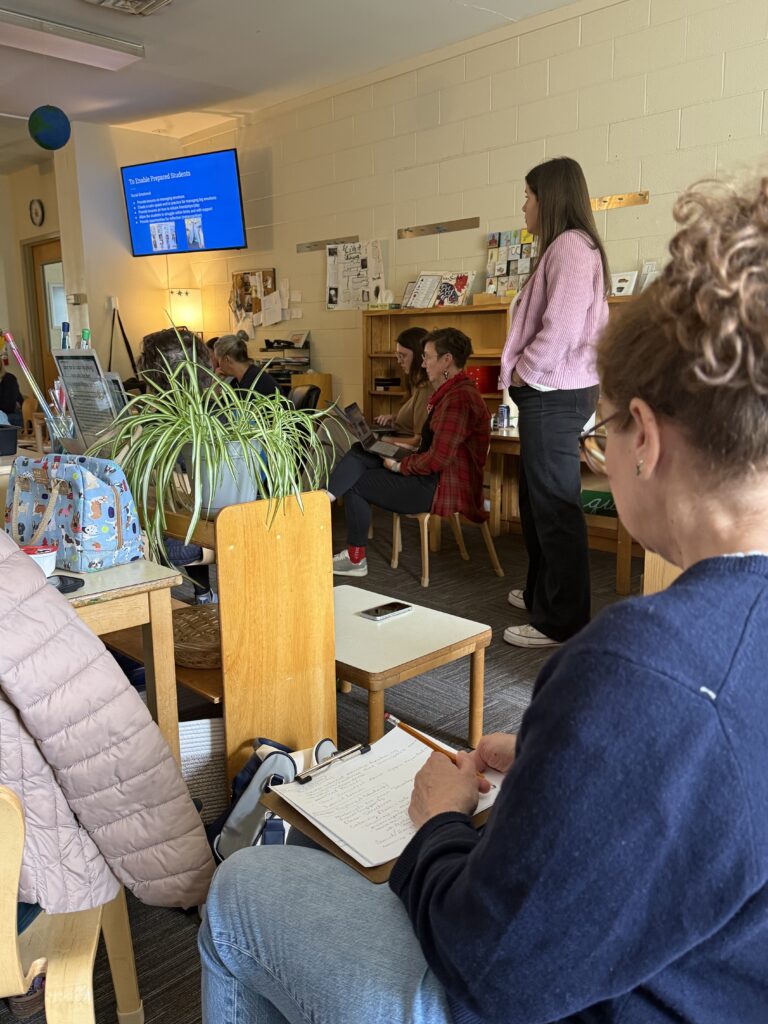
Recently, 10 members of our faculty traveled to Raleigh for the NCAIS Conference on Neurodiversity. Led by Sidney McGinnins, our director of student support, this trek to Raleigh is one more example of important professional development work in which our faculty are able to engage. Recently, Jessica White Winger, assistant head of school, shared about another professional development experience she led involving 14 of our sixth through eighth graders to Charlotte, N.C. for an adult- and student-professional development conference called “Words Matter." These professional development experiences are incredibly important to our faculty, and are thus equally important for our students.
Sidney and the team were very intentional about choosing this current NCAIS conference, as the science and work we do around neurodiversity aligns so well with our Montessori values.
While the term "neurodivergent" may feel like a buzzword, at its core it simply recognizes that brains develop and function in different ways — not better or worse, just different. As educators, our responsibility is not to “fix” children, but to understand them and respond in ways that help them thrive. Just like our mission statement says, we nurture and challenge the students to help them unleash their full potential ... their best selves.
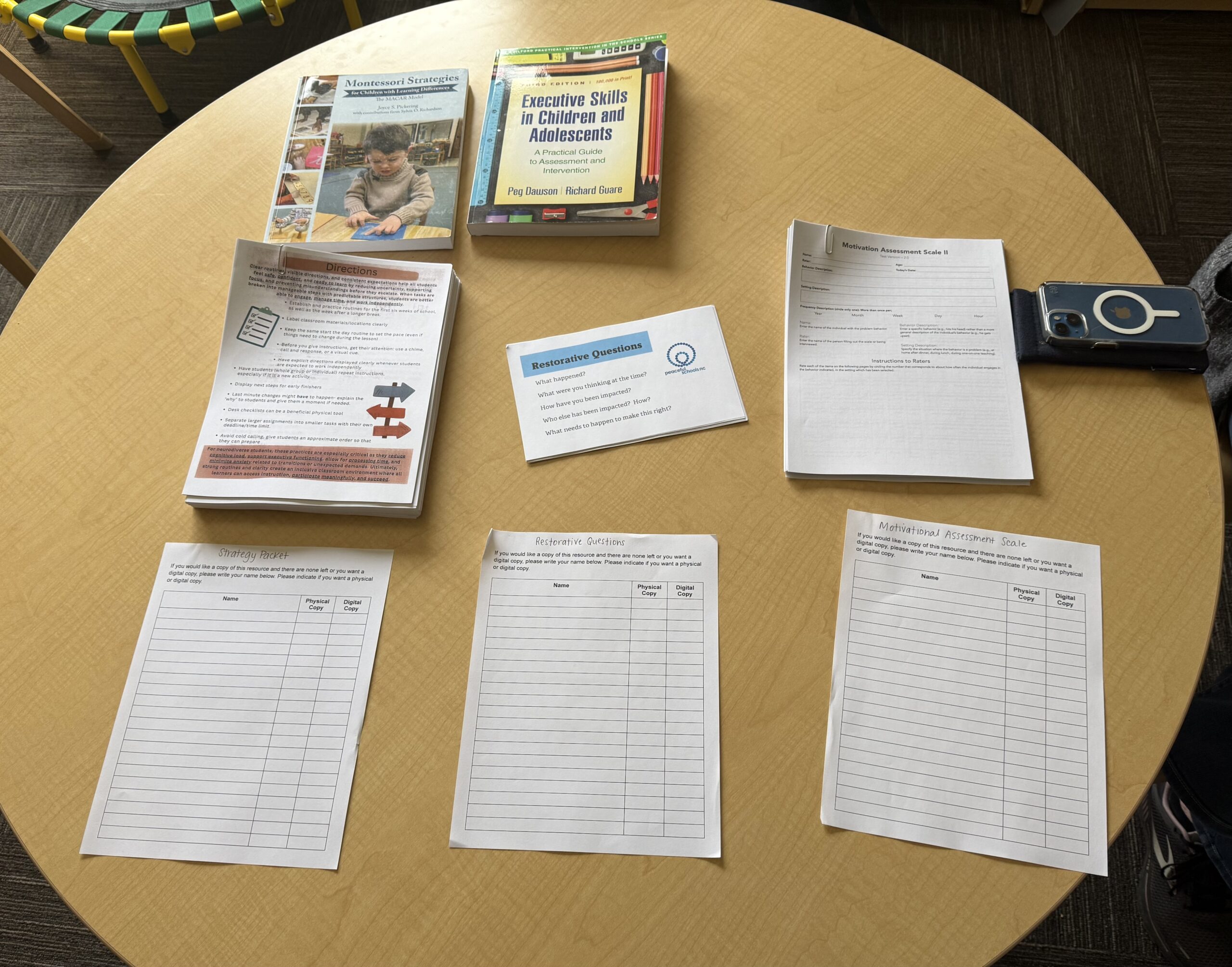
The conference offered both affirmation and new learning: validation of what we already do well, along with fresh ideas, strategies, and perspectives. After returning, the group reflected together and shared key takeaways with the full faculty, organizing their learning in three areas that align closely with Montessori practice:
The Prepared Adult
Our stance as educators matters deeply. Students read not only our words, but also our tone, energy, and expectations. Every behavior is a form of communication, and how we respond can either support or shut down a child. We aim to be grounded and consistent — more “backbone” than “brick wall” — holding clear expectations while remaining flexible and responsive.
The Prepared Environment
A well-prepared classroom supports all learners. Predictable routines help students feel safe and reduce anxiety. Clear visual cues (e.g., written directions, images, organized materials, etc.) help students make sense of their work and build independence. Thoughtful design, with minimal visual “noise,” allows for deeper focus and engagement.
The Prepared Student
Students benefit from tools and structures that support their learning. Differentiated lessons, task checklists, assistive technologies, and purposeful materials help students access the curriculum. Practical life and sensory work also play an important role in supporting regulation and engagement.
As Montessori educators, we are trained to meet each student where they are, whether a child is navigating a processing challenge, reading several grade levels ahead, or developing strategies to support focus and attention. To do this well, we must truly see and understand each child as an individual learner.
Since its inception nearly ten years ago, our Student Support Center (SSC) has helped lead this work. The SSC partners closely with faculty to better understand each student’s learning profile: their habits, tendencies, strengths, challenges, and the strategies that help them thrive.
It is essential for our faculty to understand how brains develop and function and to recognize that differences in how children’s brains develop are a natural and valuable part of the human experience. This perspective aligns deeply with Montessori philosophy, which calls us to honor each child’s individuality and prepare environments where all learners can thrive.
The SSC supports students and teachers through observation, assessment, targeted interventions, and ongoing collaboration. Whether working with a student who needs additional support or helping extend a student who is ready for more challenge, the goal is always the same: to ensure every child is seen, understood, and supported.
Our SSC team includes Sidney McGinnis (director), Joann Currie (early childhood specialist), Jeannie Stanford (reading specialist), and Melanie Yeager (counselor), who bring a range of expertise and a deep commitment to our students and faculty. Their partnership strengthens our classrooms and helps ensure that our work remains thoughtful, responsive, and grounded in what each child needs.
This work is ongoing and essential. As we continue to learn more about how children think, grow, and develop, we remain committed to refining our practice and strengthening our ability to serve every student well.